In his pictorial, digital, and theoretical works, Texier explores this plasticity as a driving force of creation, memory, instinct, and freedom. Elastogenesis becomes a way of inhabiting the world: by embracing uncertainty, rejecting fixed dogmas, and cultivating the ability to transform oneself without losing oneself. It proposes a cosmology of possibility, in which art becomes an elastic field for the expansion of consciousness.
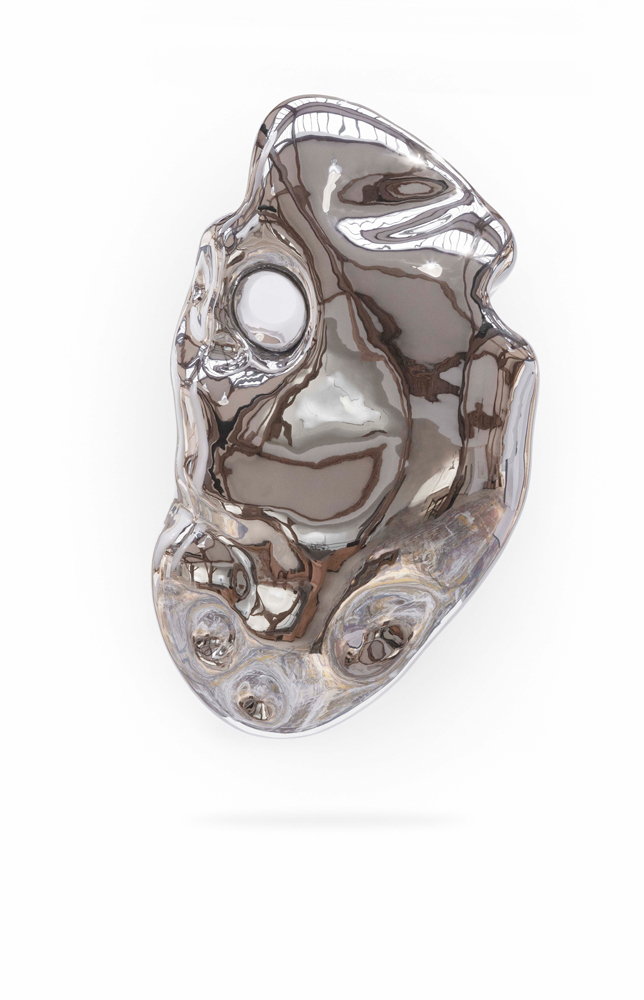
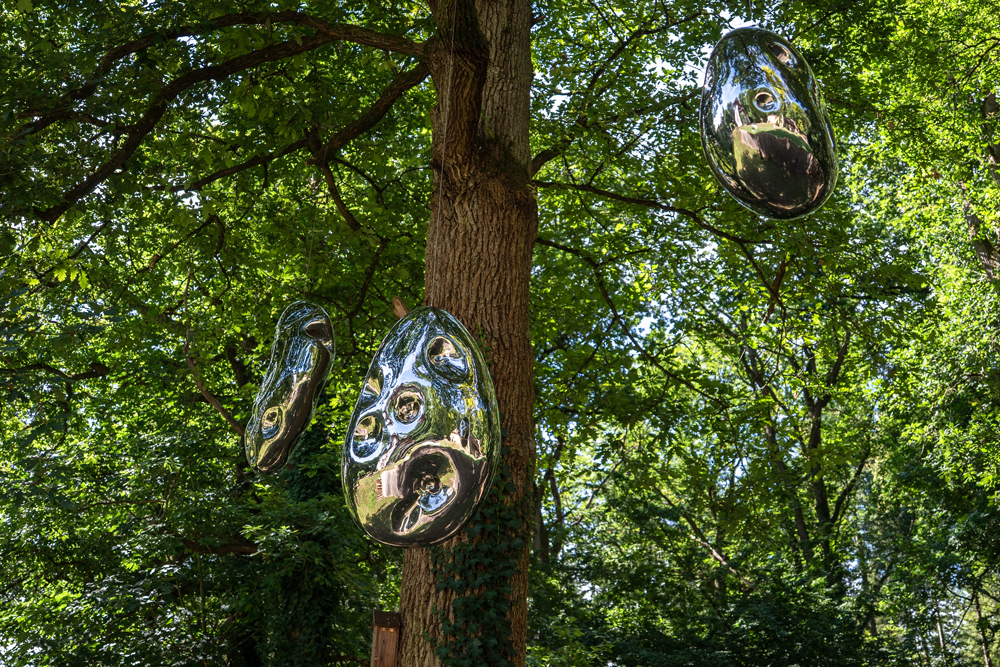
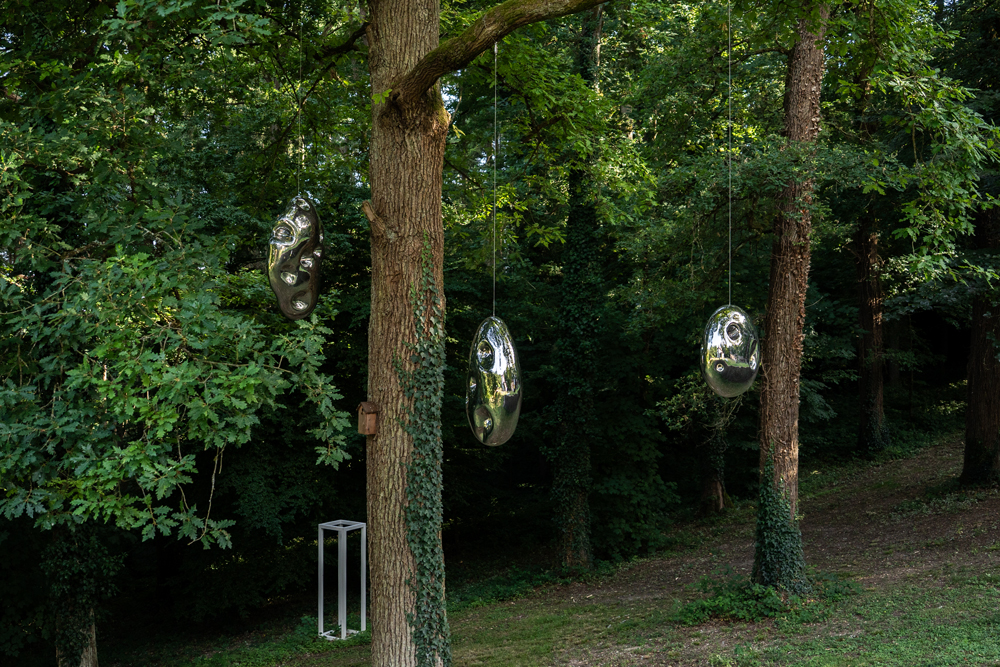
Elastogenesis, an artistic and philosophical concept developed by Richard Texier, refers to a fundamental force of transformation grounded in flexibility, metamorphosis, and resilience. It proposes a vision of the world in which imagination, matter, and thought are malleable, capable of adapting, unfolding, and reconfiguring themselves in response to constraints.
“Nature is cautious. It takes care to conceal its methods beneath the splendor of its creations. Wonder, beauty, and the diversity of the forms it invents are, in reality, strategies of concealment. Art, by way of mimicry, does the same. It surprises, shocks, dazzles, and captures attention in order to impose its views beneath the surface, to establish its most radical theses and its most refined models. In the past, Ingres, whom the Surrealists adored, distorted the silhouettes of the figures he painted. He added vertebrae to the backs of his odalisques, elongated languid bodies and voluptuous flesh. Yet these anatomical lies expressed the elastogenic truth of the world.”
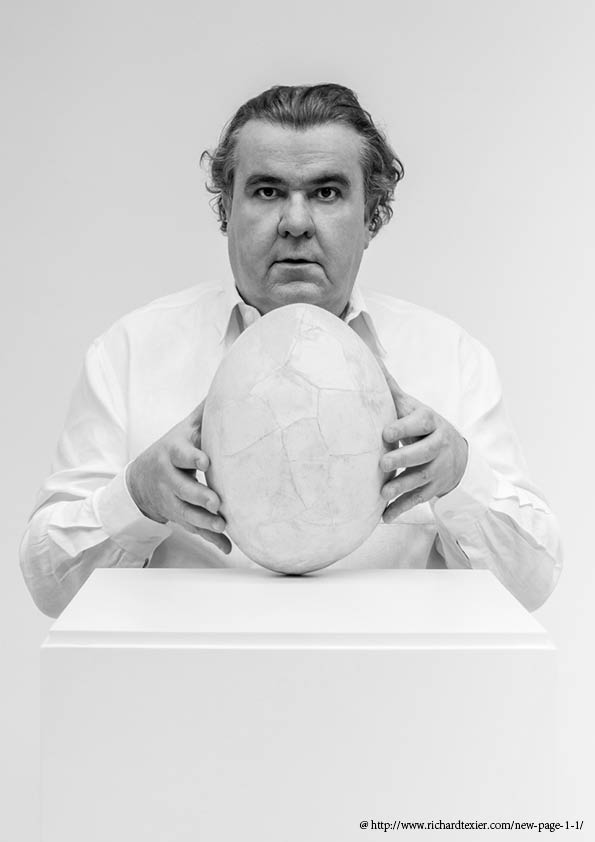
Richard Texier, on his theory of Elastogenesis, which he developed in 2014.
“He seeks the ‘vanishing point’ (1992), the ‘continent of the angel’ (1993). To fulfill his purpose, he becomes an astronomer, a navigator; he absorbs the traces of Vasco da Gama, Magellan, and Copernicus, then scrambles the maps, surrounds himself with cabalistic signs, wanders, and allows himself to be ‘filled by the void.’ He stretches distances. And, in a supreme paradox, the meaning of the world emerges like a revelation, an alchemy rising from the depths of time. Some of the canvases resemble microscopic cross-sections of cells from the earth’s earliest days. Texier, the shaman, possesses supernatural powers. There is no need for mescaline, peyote, or hallucinogenic mushrooms to enter a trance. The scent of seaweed and the sea breeze are enough. He captures the origin of time, infinity, invisible territories, pendular movements, and ancestral fears with a minimalist command, once again taken from one of his paintings: ‘Look at the infinitesimal.’ The treasure hunt can then begin. Wherever he may be—in his retreat on the Île de Ré, in the Cordouan Lighthouse, in a New York loft, in Tokyo, Moscow, or Shanghai—he carries with him this breathtaking, unruly firepower.”
Serge Raffy, Richard Texier, Les îles de la destinée