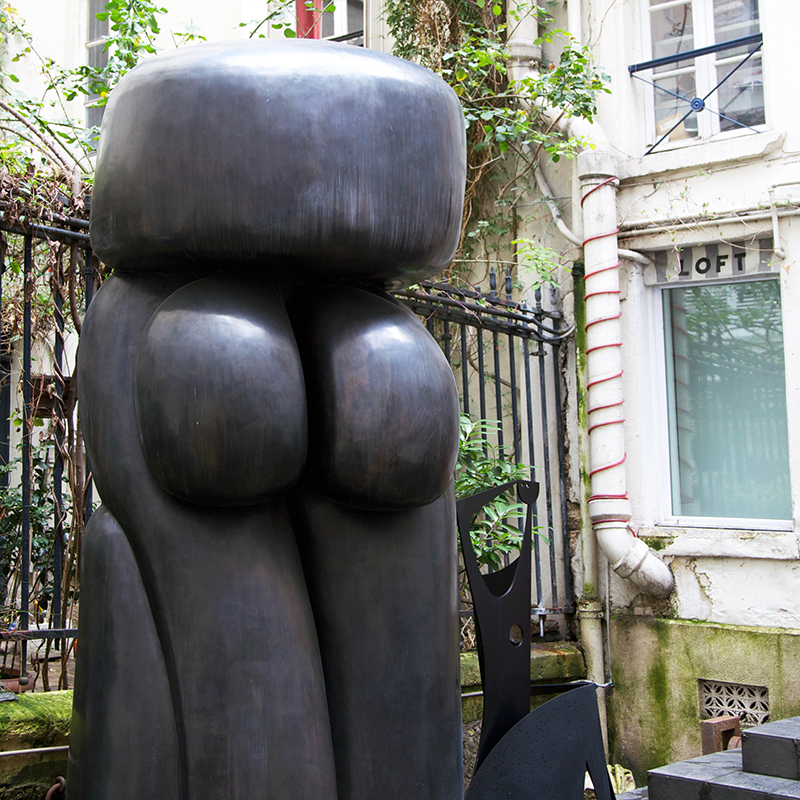
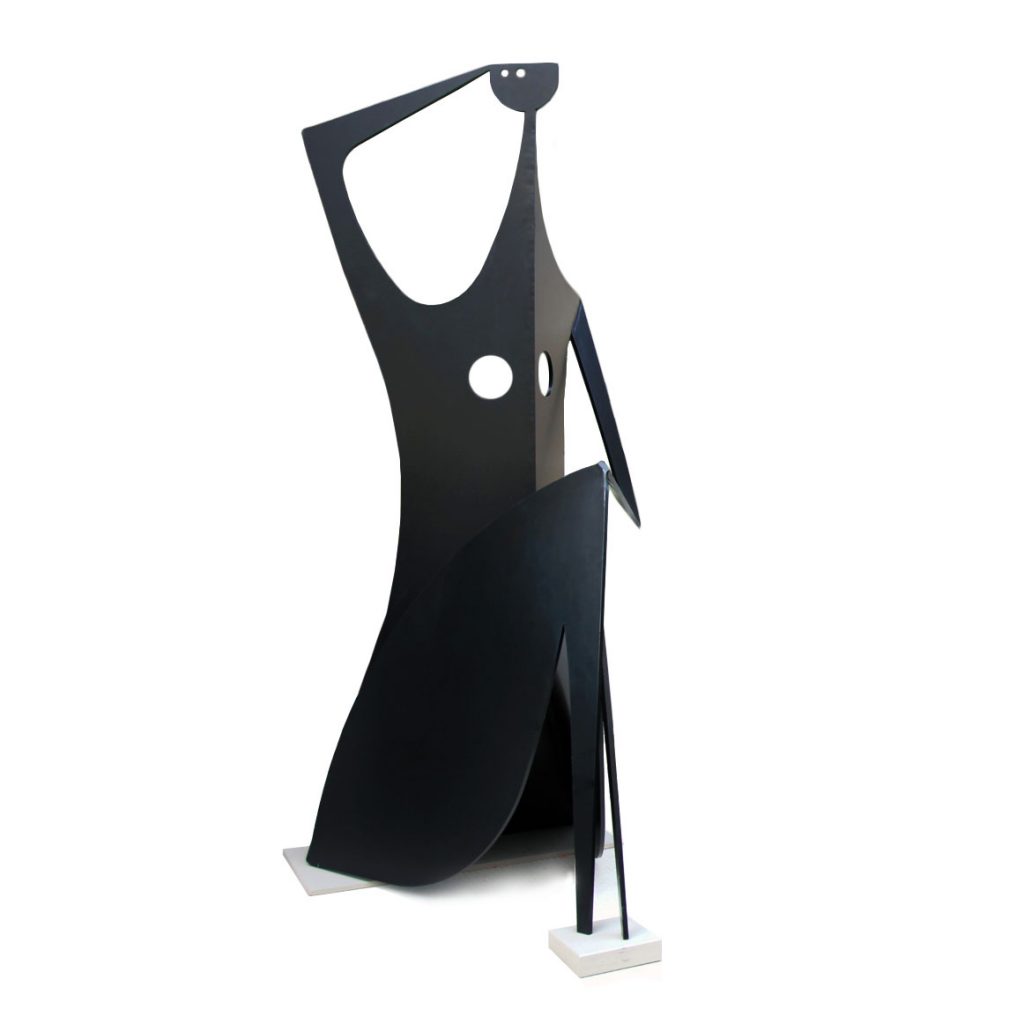
Petite Femme H.3M
Wang Keping
Group exhibition
10/09/2020 - 16/09/2020
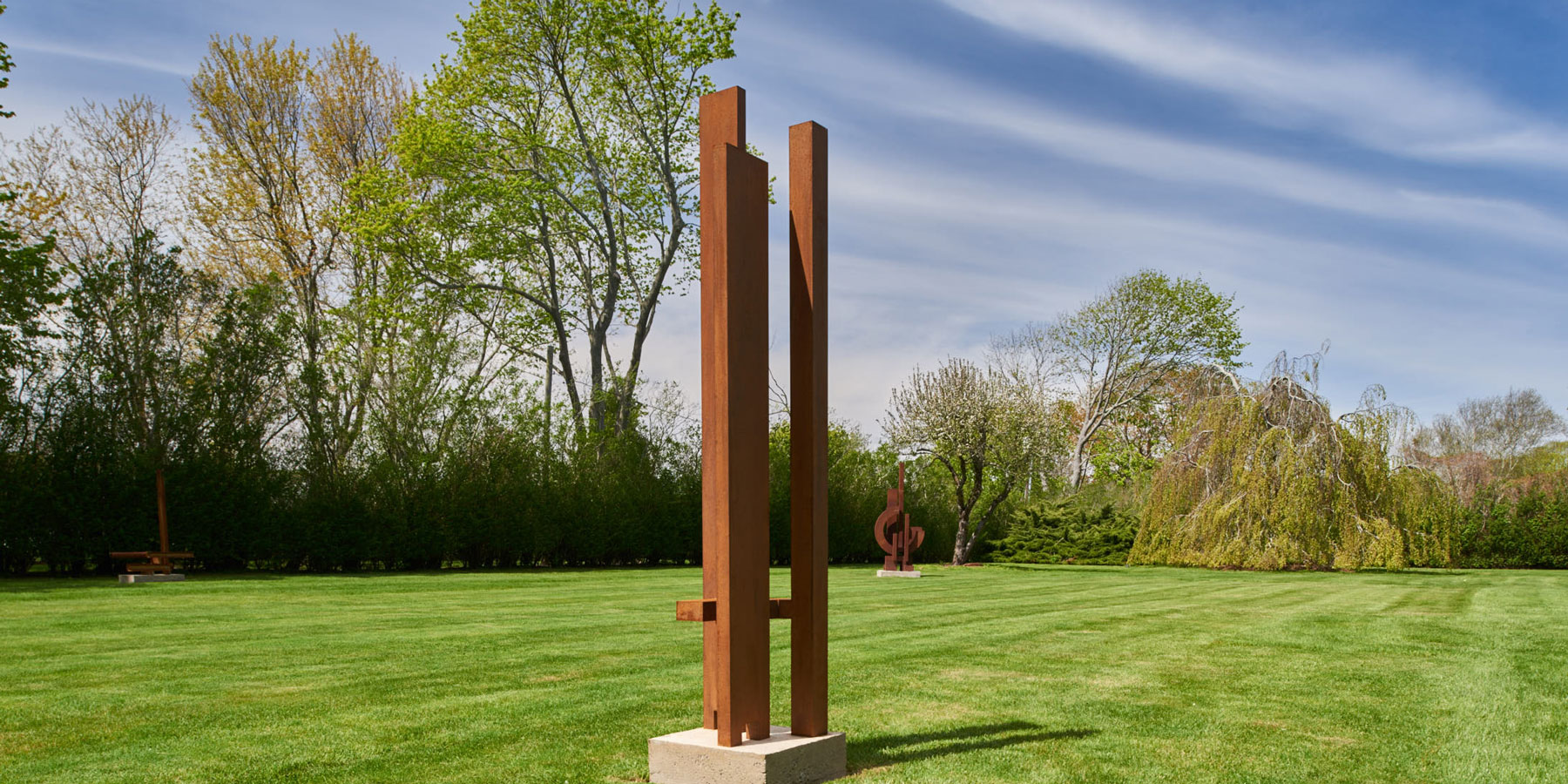
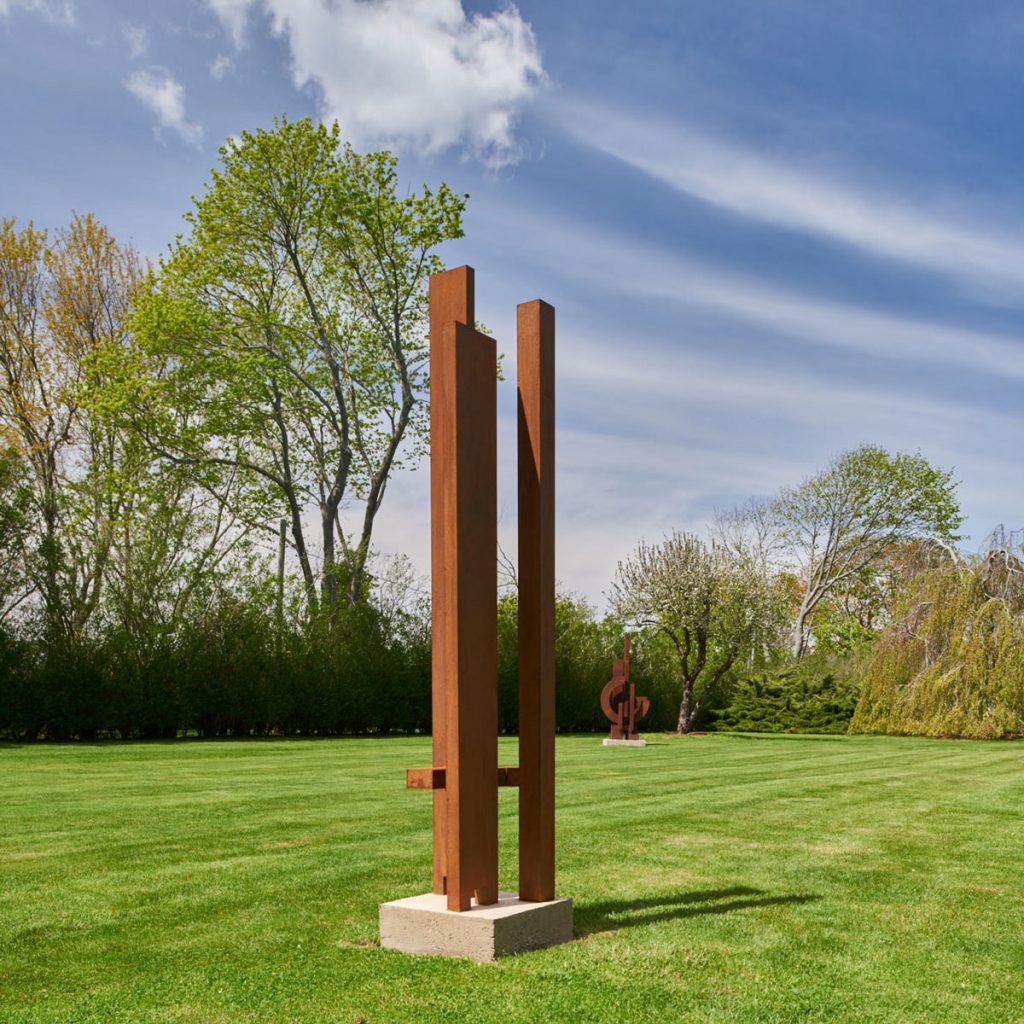
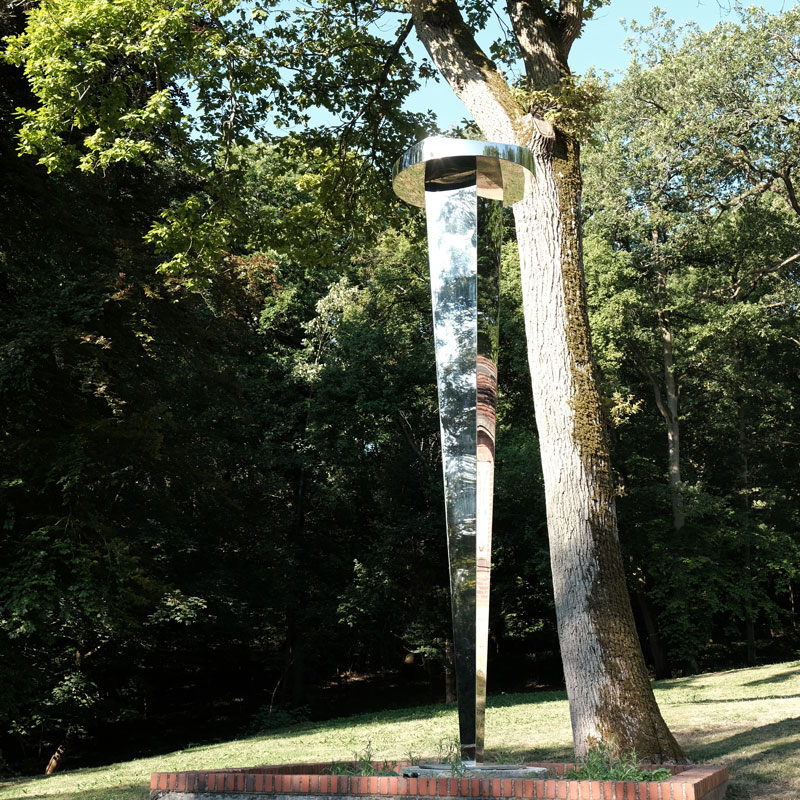
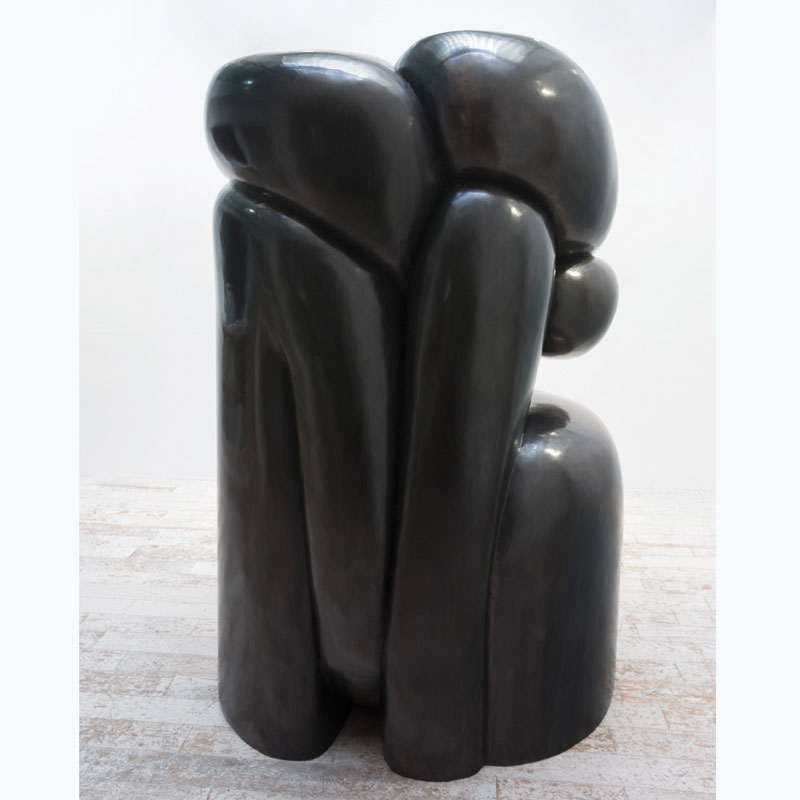
Art Paris 2020, the leading modern and contemporary art spring event, will come back in Grand Palais. Loft Gallery is pleased to invite you to discover our unique exhibition around the monumental. The LOFT Gallery, with many experiences since the end of the 2000s, has recently specialized in setting up monumental sculptures. For Art Paris 2020, our greatest artists, Wang Keping, Yazid Oulab, Francesco Marino Di Teana and Philippe Hiquily, will be honored with unexpected or familiar pieces, but always surprising and captivating by their extraordinary dimensions.
Born amongst a family of peasants, Francesco Marino di Teana was successively a shepherd, a mason in Italy (Teana), site foreman, architect and student at the Art University of Argentina before moving to Paris in 1953. He was a painter, sculptor, architect, poet and philosopher and becomes one of the major sculptors of the 20th with his theories on “triunitarian” logic and architectural sculpture. Represented for more than 20 years by the mythical Denise René gallery and winner of prestigious artistic prizes, he was acclaimed by some of the greatest creators and art critics of his time. Precursor of the Monumenta’s at the Grand Palais with the exhibition of his monumental fountains (9 m high for 16 long), that he made with Saint-Gobain (Glass and industrial materials company), he has raised more than 40 monumental sculptures throughout France, one being the highest iron sculpture in Europe, “Liberté“ (Liberty), that is 20 meters high (at Fontenay-sous-bois). His lifetime work was the object of a retrospective in 1975 at the Paris Museum of Modern Arts, he represented Argentina at the Venice biennial of 1982, and won the academy of fine arts prize in 2009.
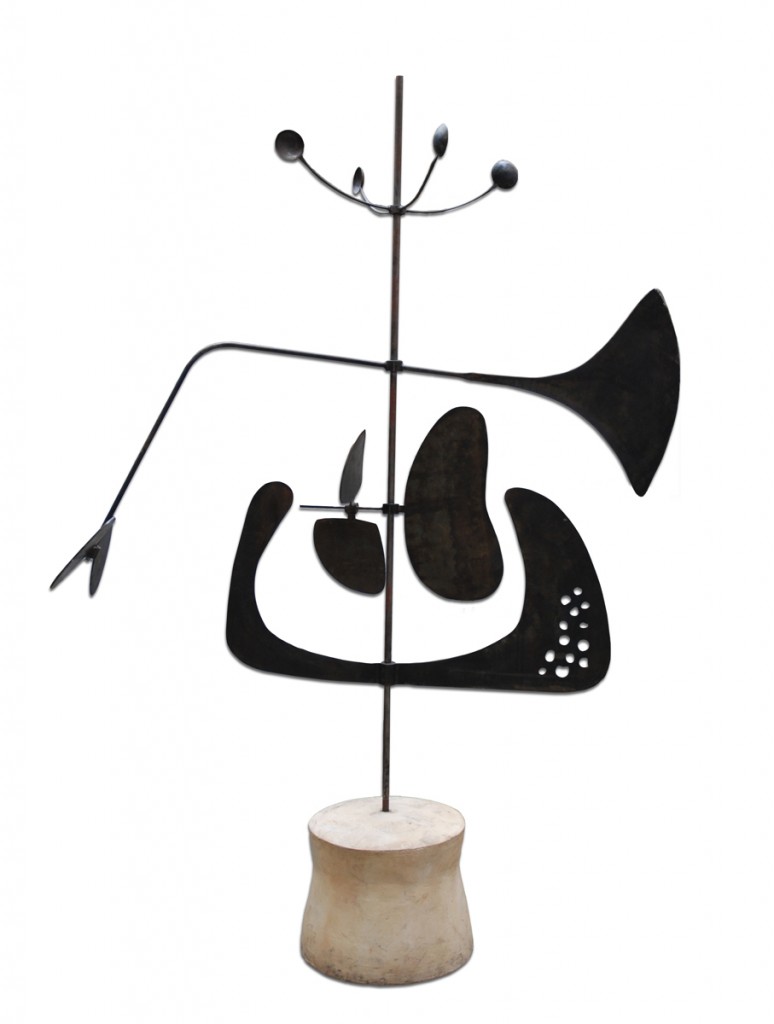
Born in Montmartre in 1925, Philippe Hiquily is a very singular artist, sculptor, but also creator of furniture, jewellery, etchings and experimental kinetic and electronic works. The main axis of his work is to play with shapes and balance but also the “coupling” of sculptures and objects. May they be in iron, brass or steel there are always principles behind his sculptures, art must be funny, playful and esthetical. Movements, curves and materials are as many ways to give life to metal that is metamorphosed in an erotic object. From New York to Paris, museums of tribal art to the salon of French aristocracy, this lover of women, protégé of Germaine Richier, friend of Arman, César, Jodorowsky or Alain Jouffroy, this very convivial and great cigar lover, Officer of the National Order of Arts and Letters, has always known, throughout his life, how to completely overwhelm our view of sculpture.
A thousand-facets artist with an ancestral soul Yazid Oulab seems to be nourished by centuries of civilizations. He is an interpreter and a messenger capable of analyzing and translating into simplified objects millennia of cultural, social and spiritual history. Son of a worker-mechanic-farmer father and a French teacher mother, Yazid Oulab is a real “storyteller. He is the accomplished artist, a man who, far from the excesses of today’s society, would always be ready to sacrifice his newly gained fame to art. He is a craftsman who is in love with the gesture, a fascinated and fascinating poet for whom the gaze generates meaning, a tireless witness and a potentially omniscient one. His works – objects, installations, sculptures and videos – represent tools of expression and communication that encourage us to consider the plurality of our times and measure the historical influence of all things.
Wang Keping is one of the most eminent members of Stars Art Group (xing xing 星星画会) , a foundational movement of the contemporary Chinese avant-garde active in the late 1970s and early 1980s. His wood sculptures blackened by fire and were firstly inspired by totem and by idols who reminded of folkloric tutelary figures in north of China and in Korean. Then his creation turned to the simple formes with the themes : women wearing a bun, kiss/couple, bird, masculine figures with tail, and a pair of teat. The simplification and purification were embodied in his sculptures, moreover, in the best cases reminded of Constantin Brancusi’s works.
Claude Gilli is a major figure of the “École de Nice” (School of Nice) that had a considerable impact on French pop art. Born in Nice in 1938, he enters the School of applied arts of his hometown in 1955. In 1962, on New Year’s Eve, he burns most of his early works. Close to the artists Albert Chubac, Martial Raysse, Ben, but also Arman, César, Farhi and Venet it’s his encounter with Robert Malaval that will lead to different works that they made in common around “aliment blanc”. Having obtained the Lefranc prize in 1966, he is shown at the exhibition “12 super realists” at the Del Leone gallery, Venice, where he discovers the works of American “pop” artists, Lichtenstein, Warhol, Wesselmann. In 1968 he starts working with Plexiglas and then continues with a series of paintings “aux escargots” (with snails). In the 1970’s he moves to Paris and is also shown in numerous international exhibitions, one of them was dedicated to the school of Nice a the Pompidou Center, Paris. The degenerative disorder he was subject to finally caught up with him and obliges him to be in a wheelchair. He starts working tirelessly and develops works in cut iron, notably for outdoor pieces and monumental sculptures.