
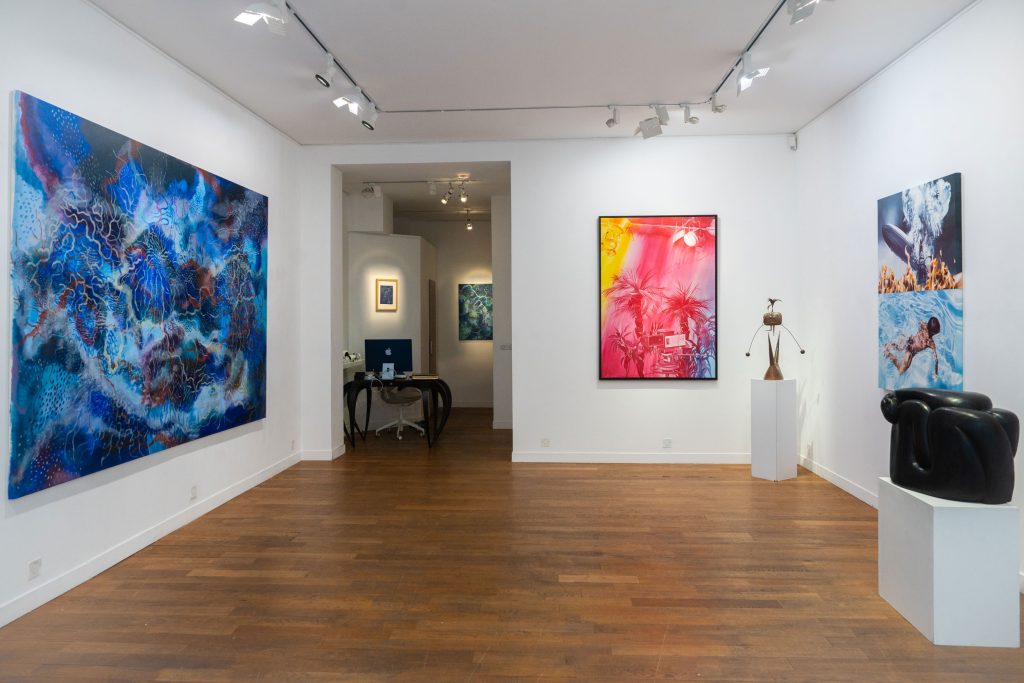
Francesco Marino Di Teana
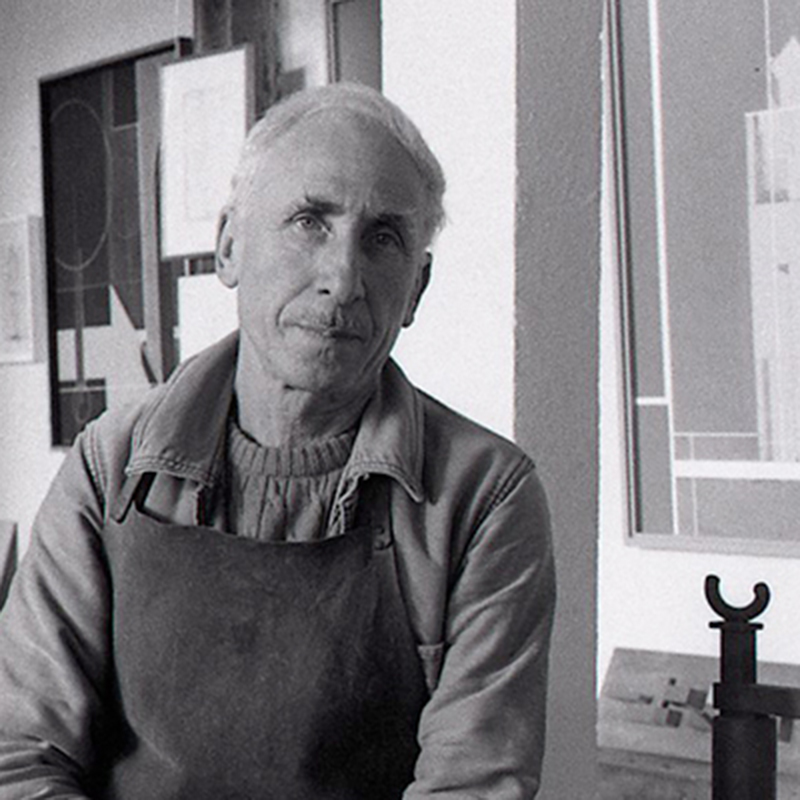
Born amongst a family of peasants, Francesco Marino di Teana was successively a shepherd, a mason in Italy (Teana), site foreman, architect and student at the Art University of Argentina before moving to Paris in 1953. He was a painter, sculptor, architect, poet and philosopher and becomes one of the major sculptors of the 20th with his theories on “triunitarian” logic and architectural sculpture. Represented for more than 20 years by the mythical Denise René gallery and winner of prestigious artistic prizes, he was acclaimed by some of the greatest creators and art critics of his time. Precursor of the Monumenta’s at the Grand Palais with the exhibition of his monumental fountains (9 m high for 16 long), that he made with Saint-Gobain (Glass and industrial materials company), he has raised more than 40 monumental sculptures throughout France, one being the highest iron sculpture in Europe, “Liberté“ (Liberty), that is 20 meters high (at Fontenay-sous-bois). His lifetime work was the object of a retrospective in 1975 at the Paris Museum of Modern Arts, he represented Argentina at the Venice biennial of 1982, and won the academy of fine arts prize in 2009.
Works

Étude pour une frise

Aube H.250cm
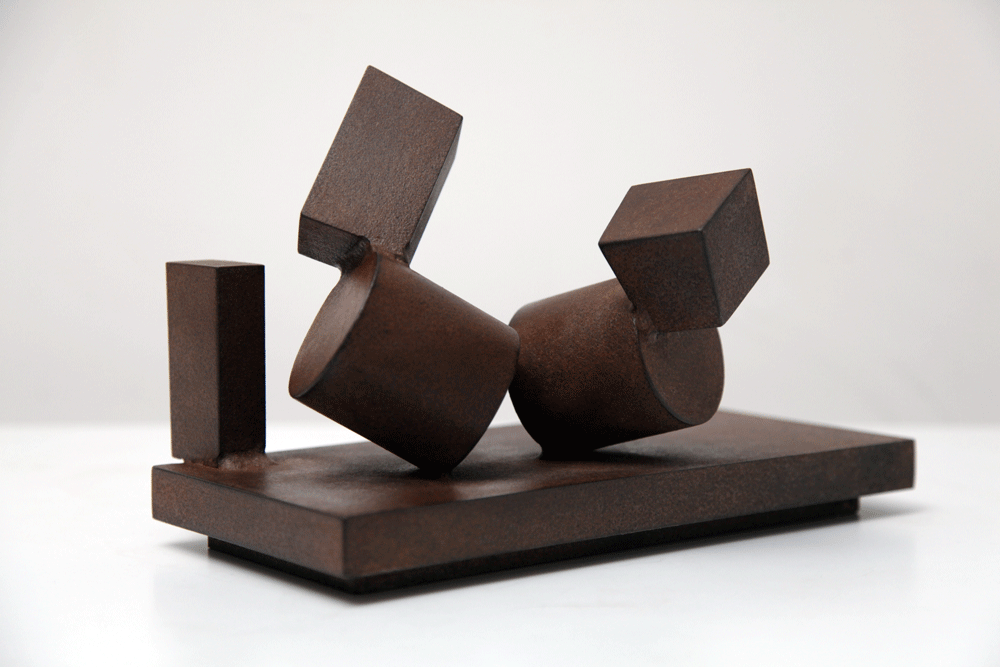
Hommage à David Smith

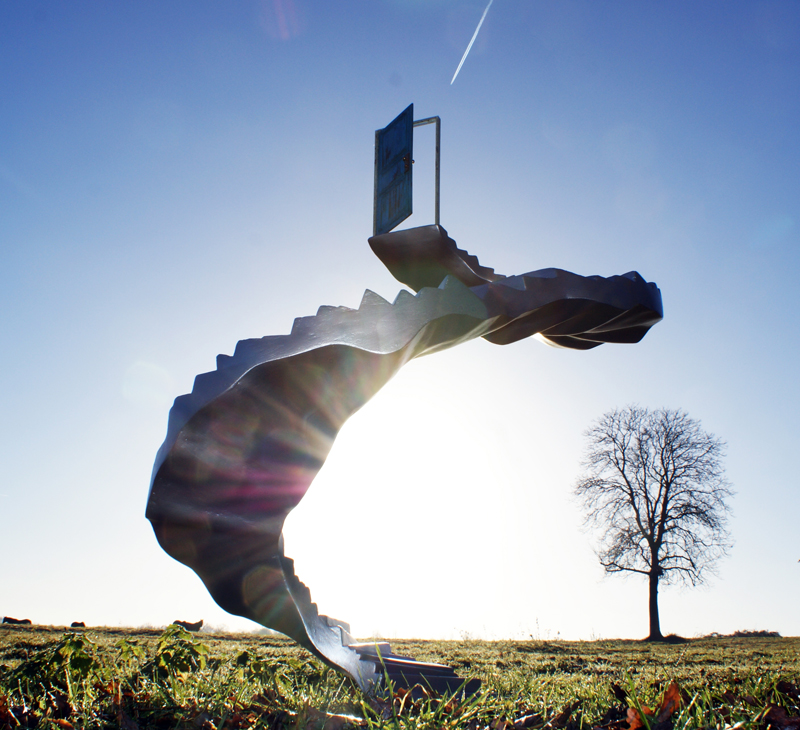
AUBE H.80cm

LES DYNAMIQUES N°3 Série « Les Dynamiques »

LIBERTY FONTENAY H. 120cm
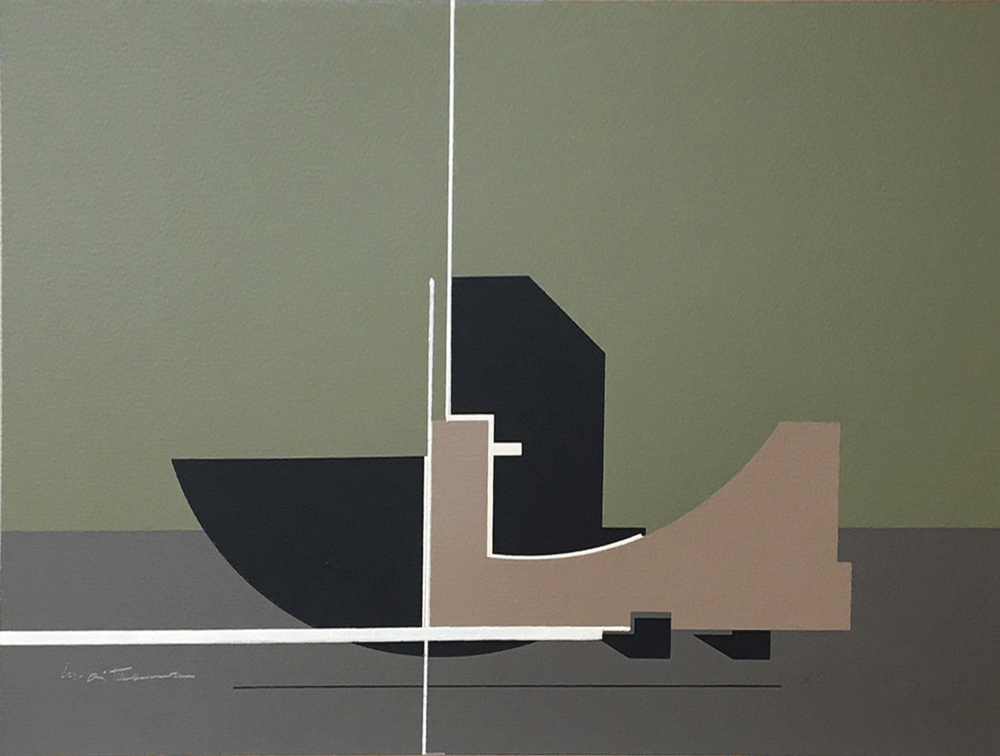
SPACE SHIP N°3

BALANCE IN ETERNITY
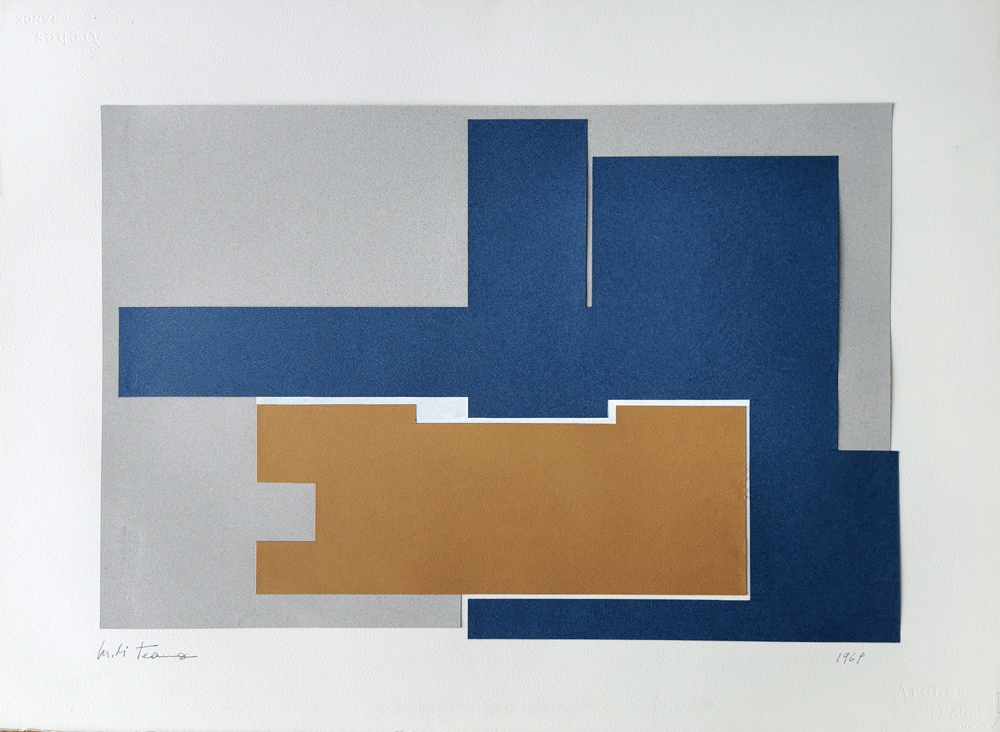
DYNAMIC COLLAGE (BLUE & OCHRE)
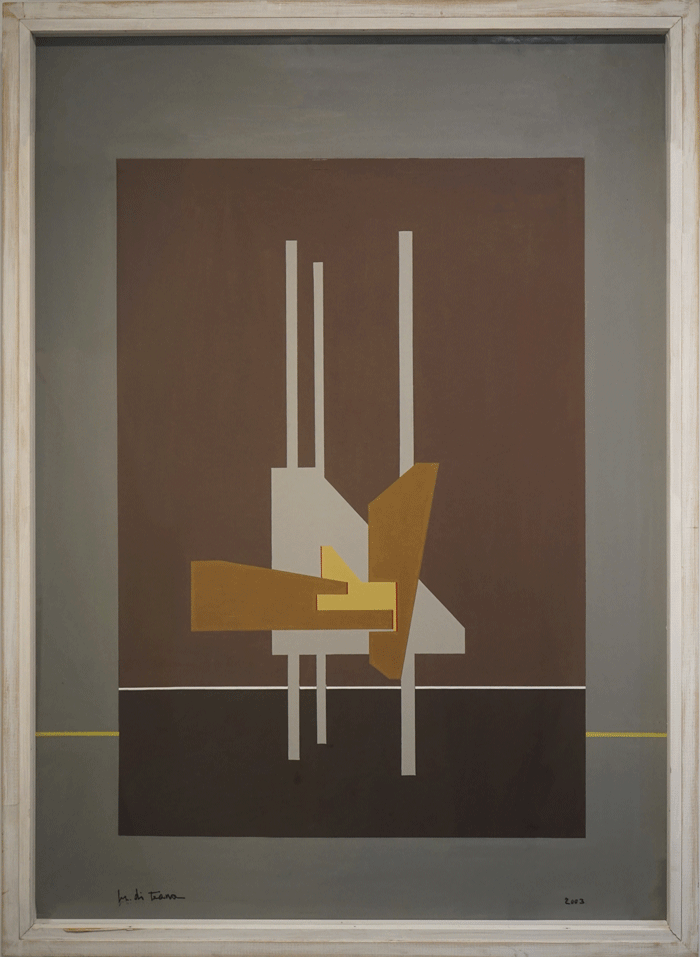
STRUCTURE DYNAMIQUE ACTION CONSTANTE
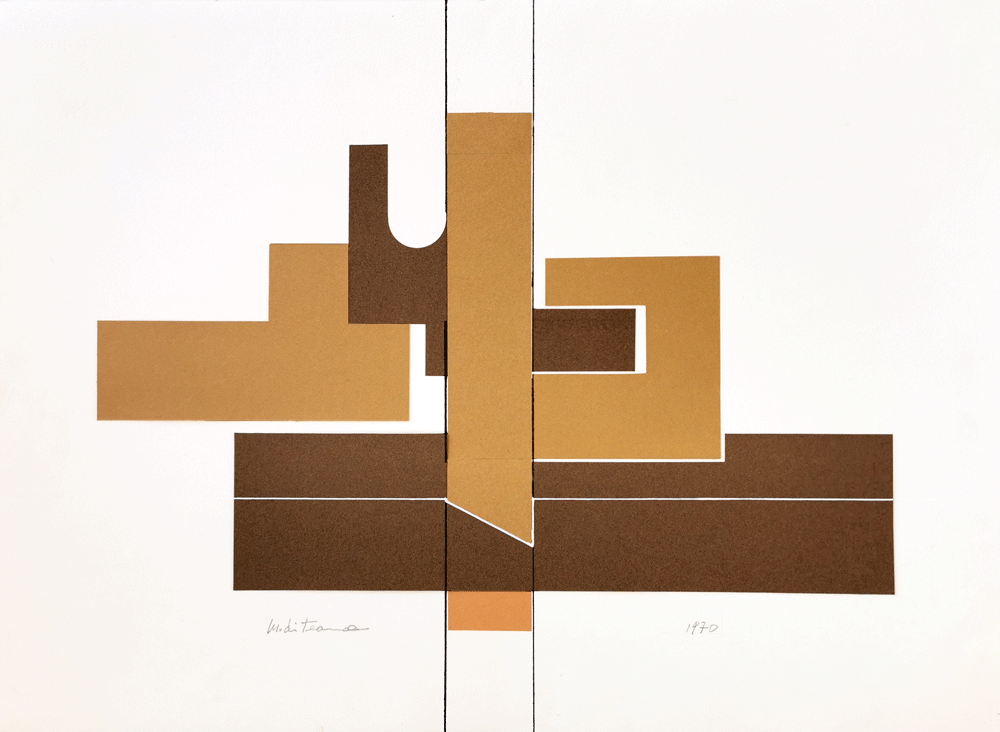
DYNAMIC COLLAGE DEVELOPABLE ARCHITECTURE

STUDY TRIBUTE TO VILLEMIN
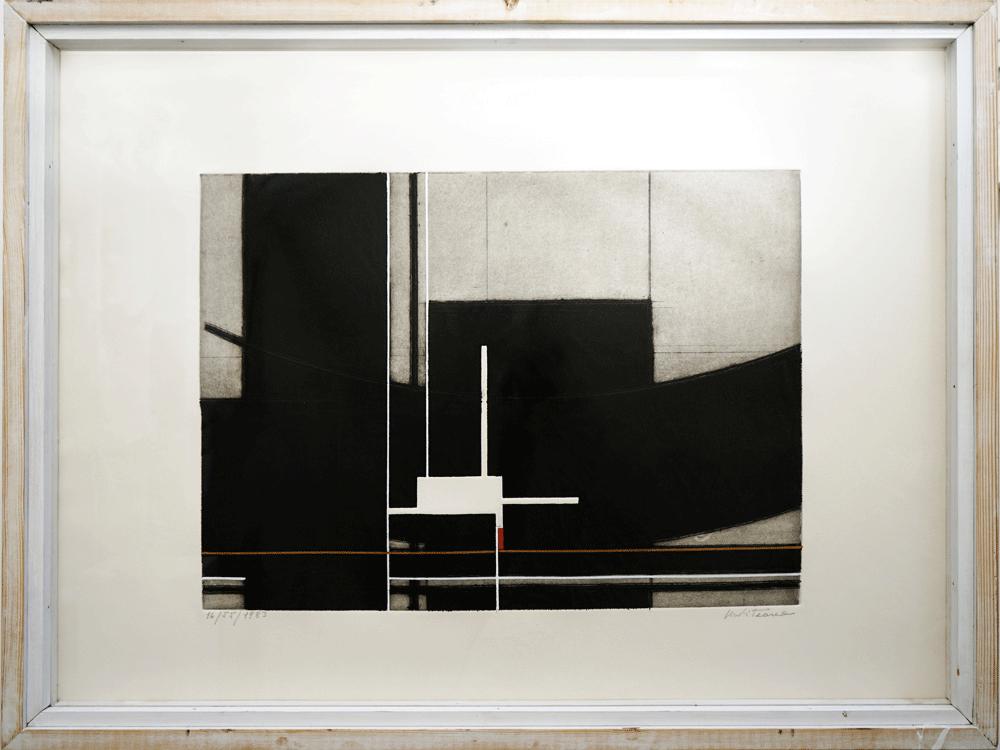
THE DAY
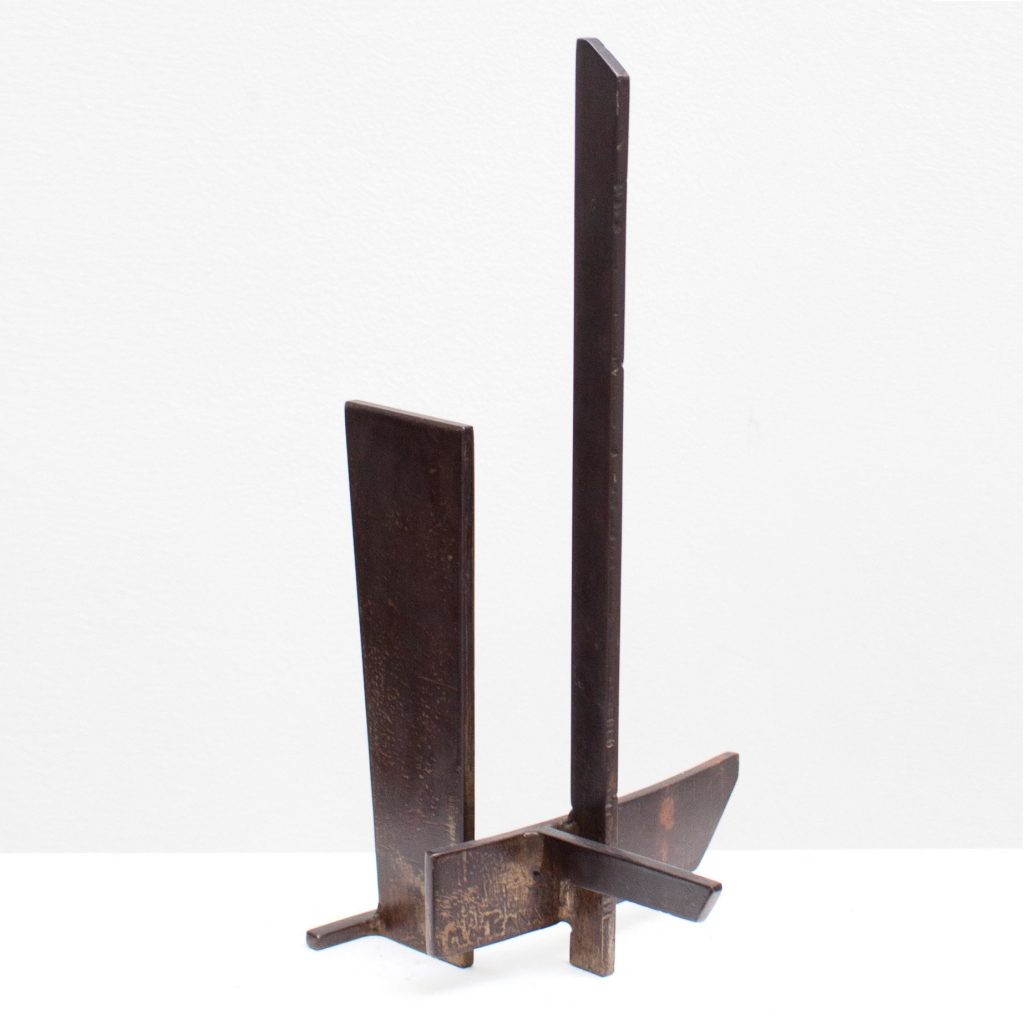
OBÉLISQUE DÉSINTÉGRÉ
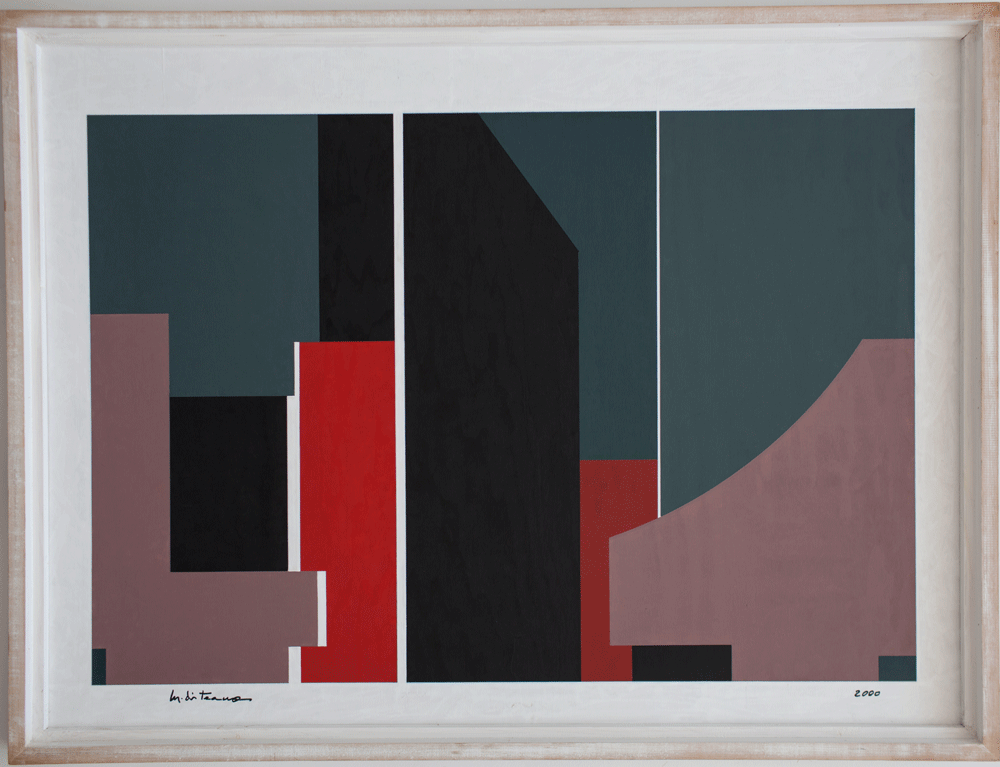
TRIBUTE TO THE CASTEL FIORENTINO WHERE FRIEDÉRIC II DIED
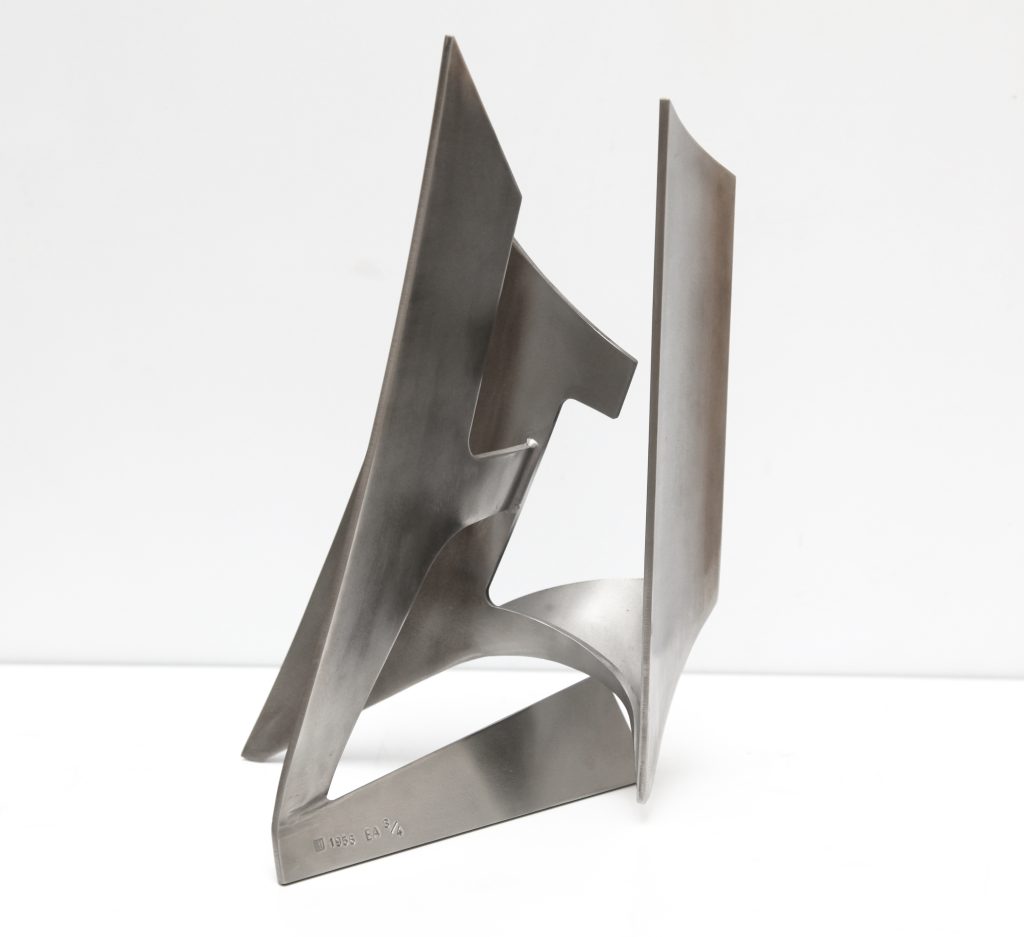
TRIBUTE TO SPEED IN SPACE

DROITE-COURBE

DIALOGUE DE TOURS H.150cm
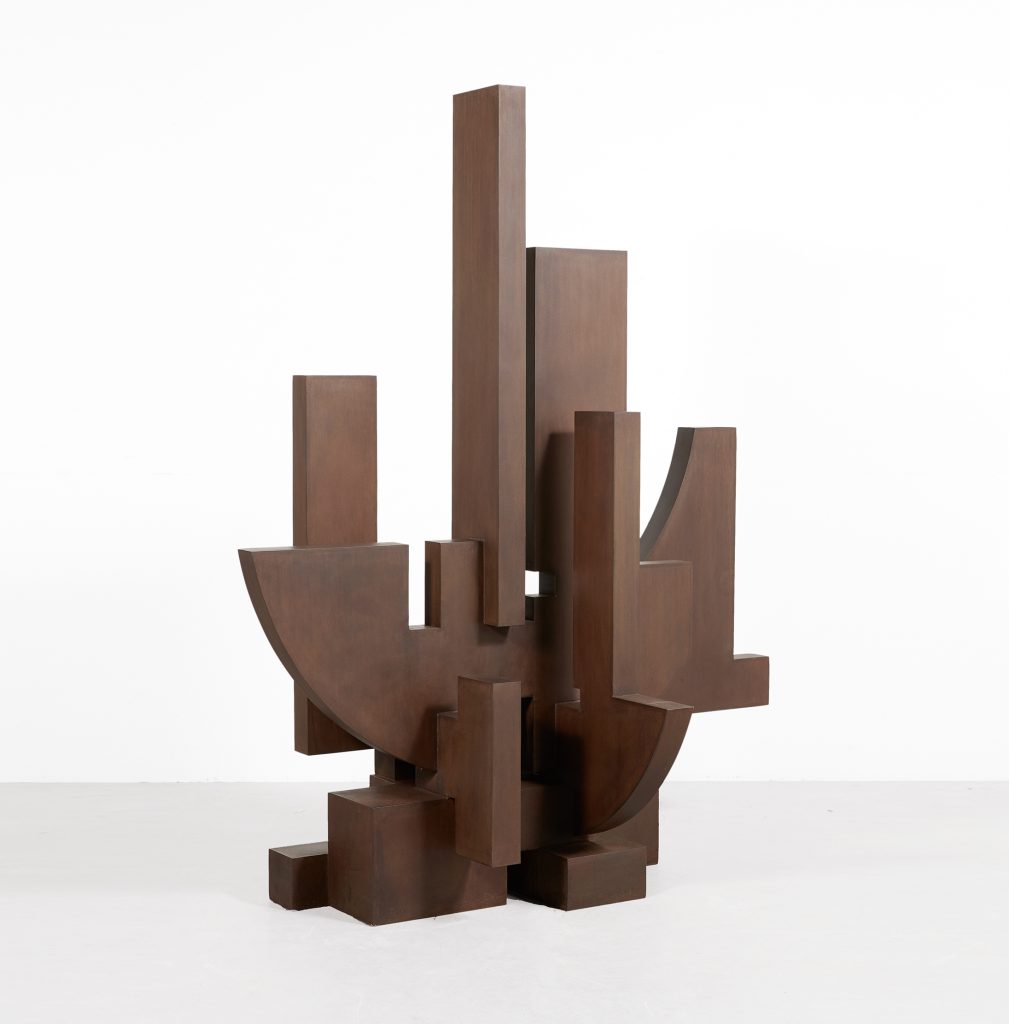
HOMMAGE À BRUNELLESCHI NAVIRE SPATIAL N°5 – SAARBRUCKEN
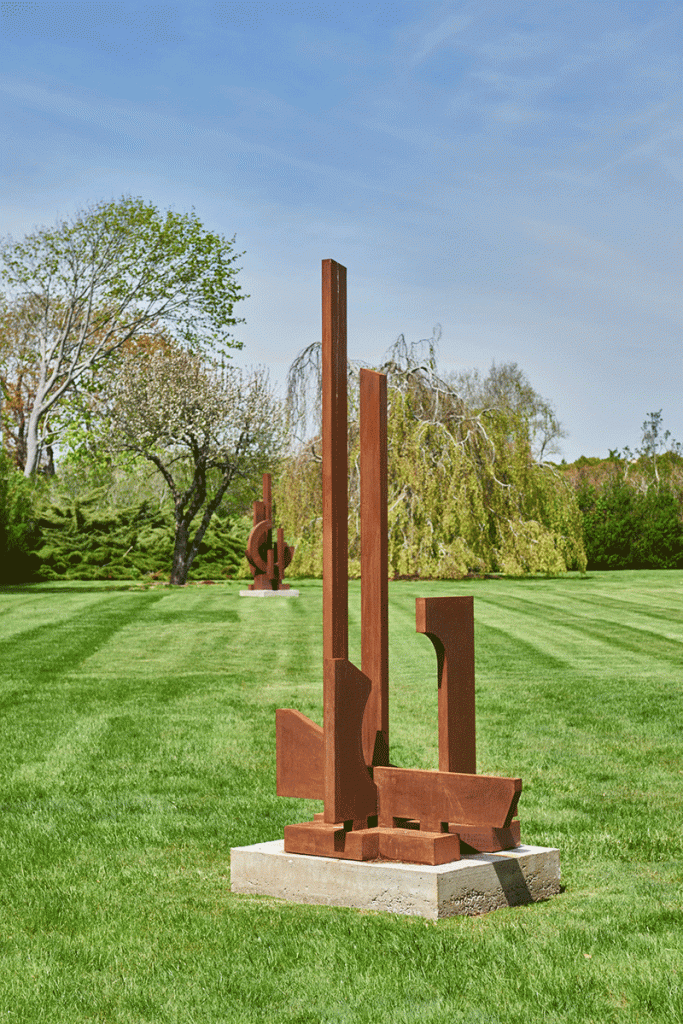
HOMMAGE À NICCOLO FONTANA TARTAGLIA H.230cm
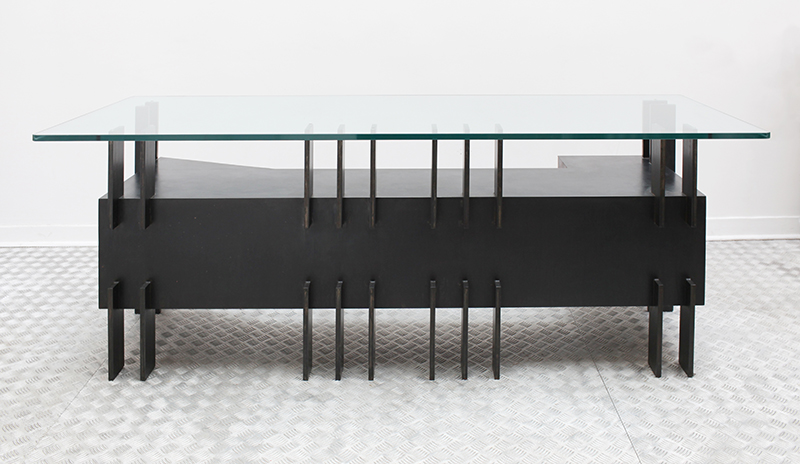
BUREAU BFCE
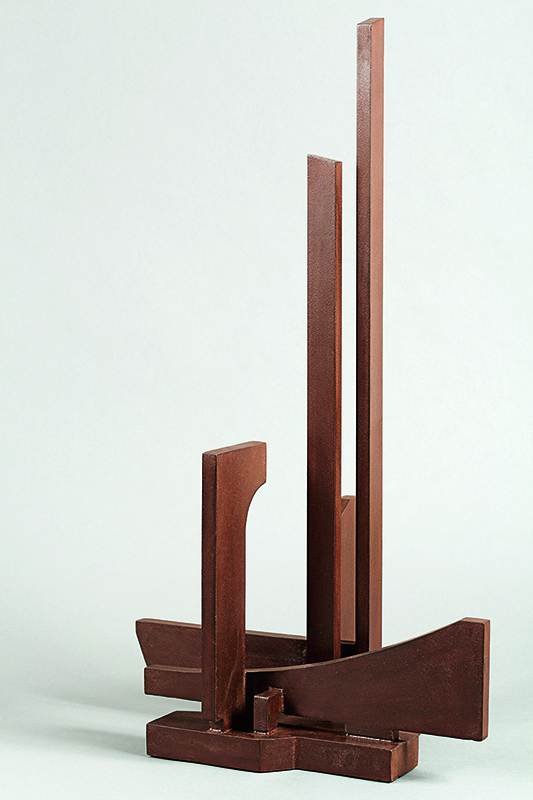
HOMMAGE À NICCOLO FONTANA TARTAGLIA
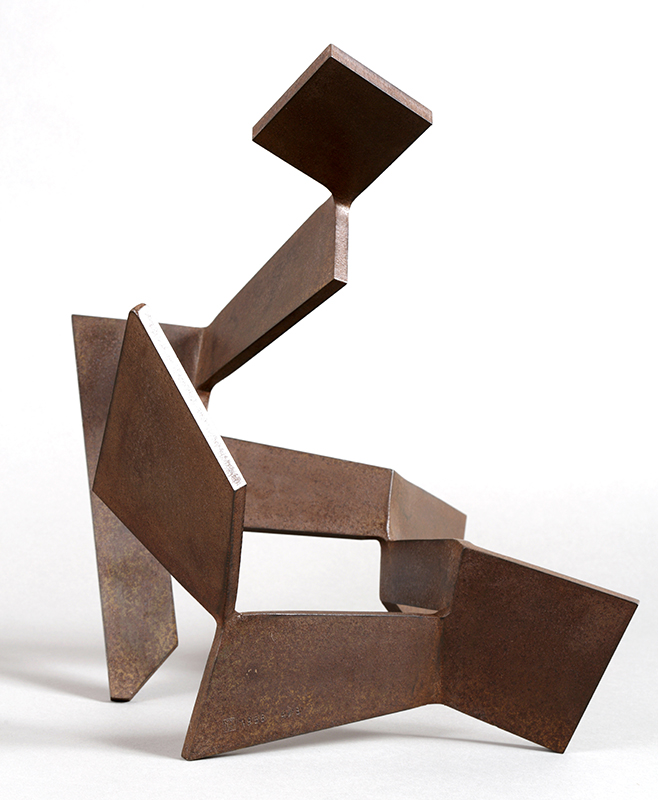
ESPACE OUVERTE
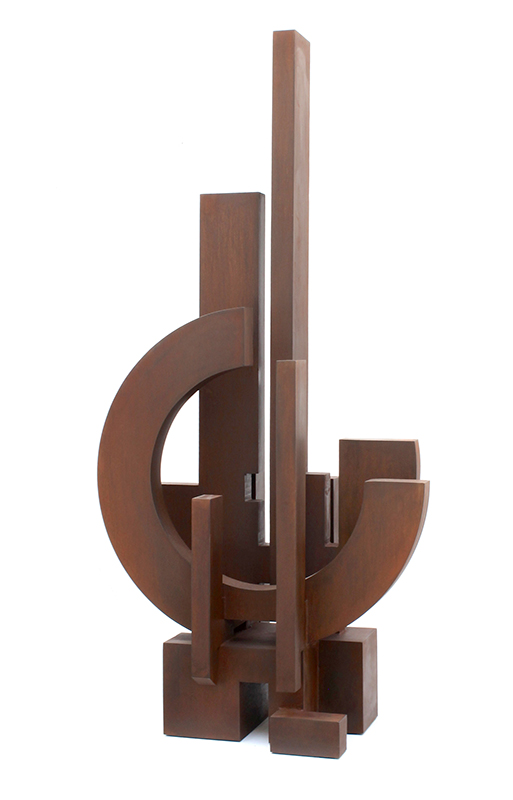
LIBERTÉ 150CM
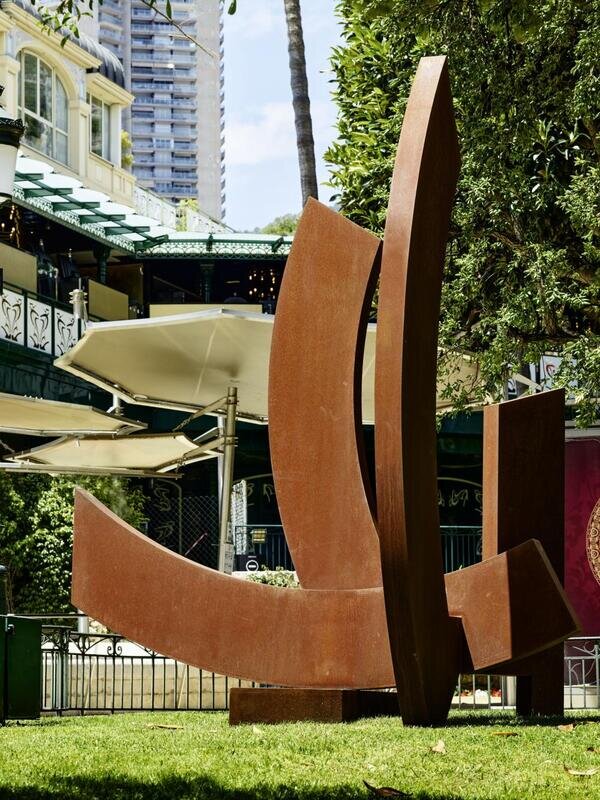
Université H.3M
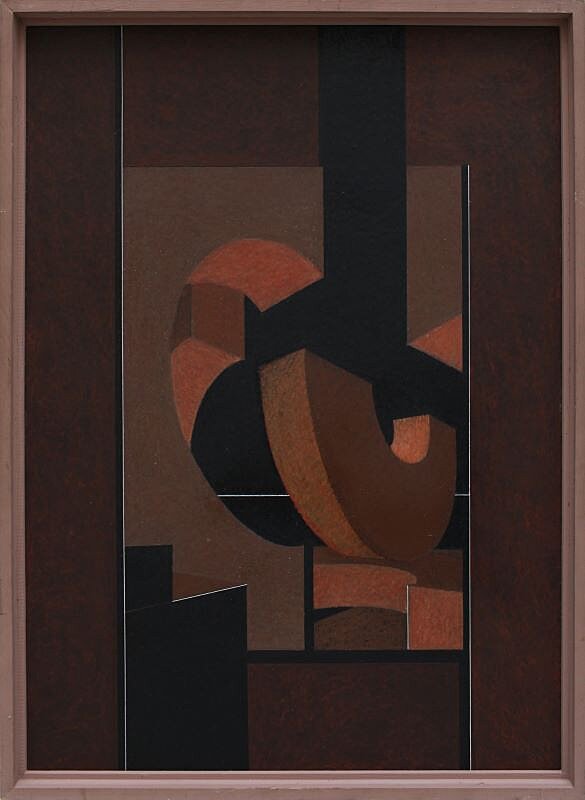
El dia y todas cosas en su propia eterna oscuridad
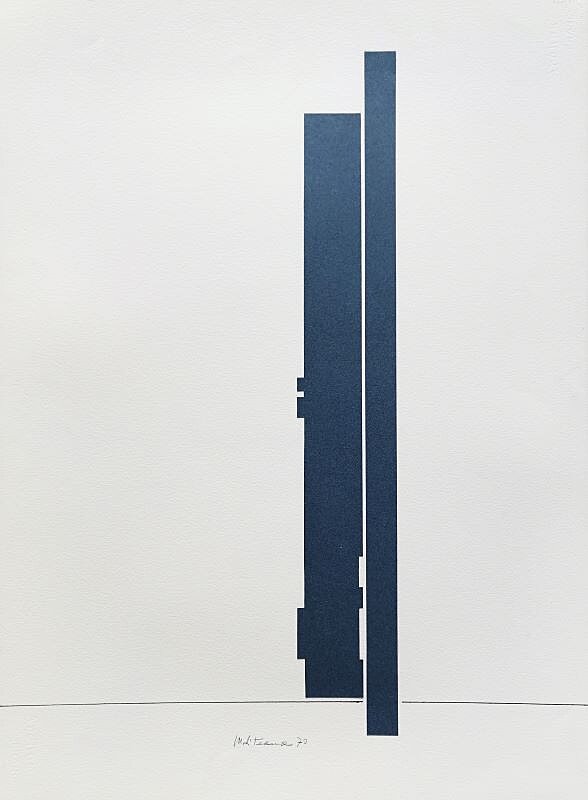
Tour verticale bleue

HOMMAGE À FRIEDRICH NIETZSCHE
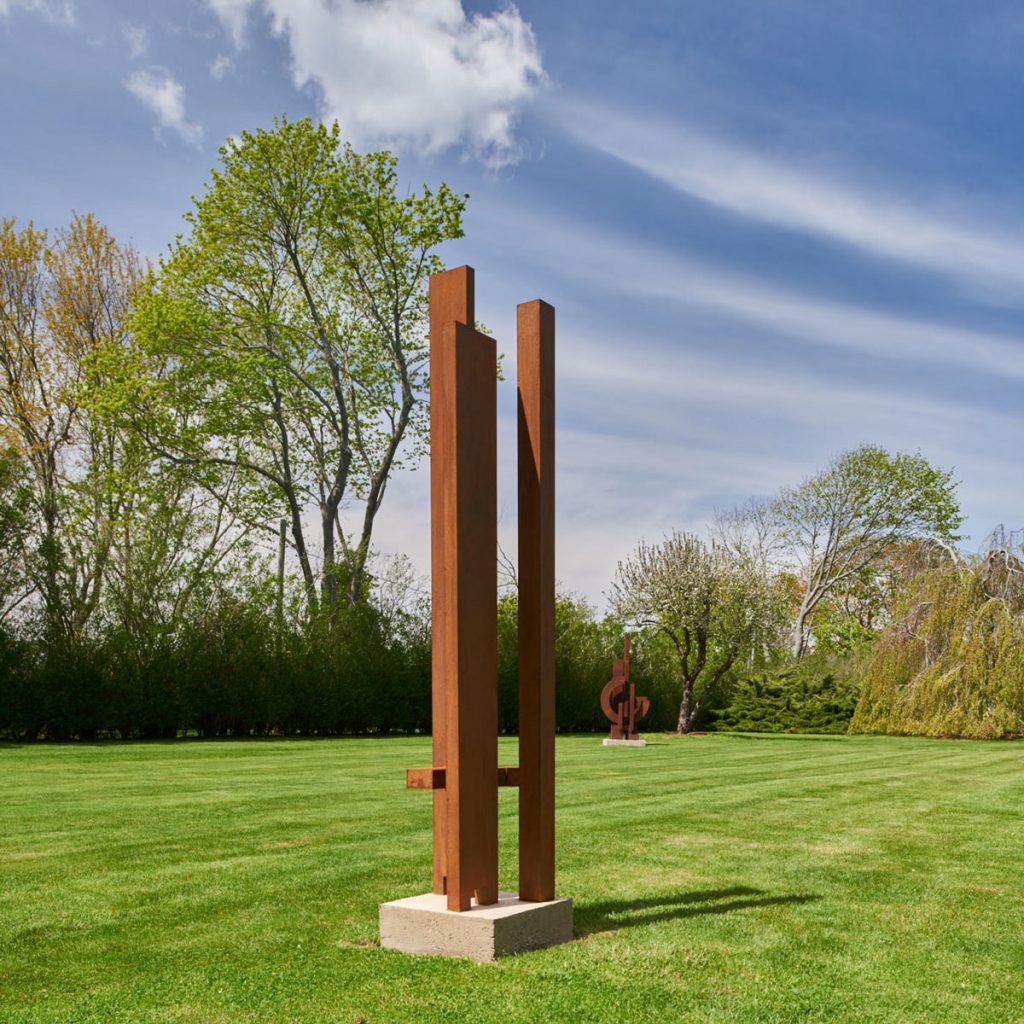
DIALOGUE DE TOURS H.4M

STRUCTURE DYNAMIQUE – PETIT THÉATRE

COMPOSITION ARCHITECTURALE – HOMMAGE À EMPÉDOCLE
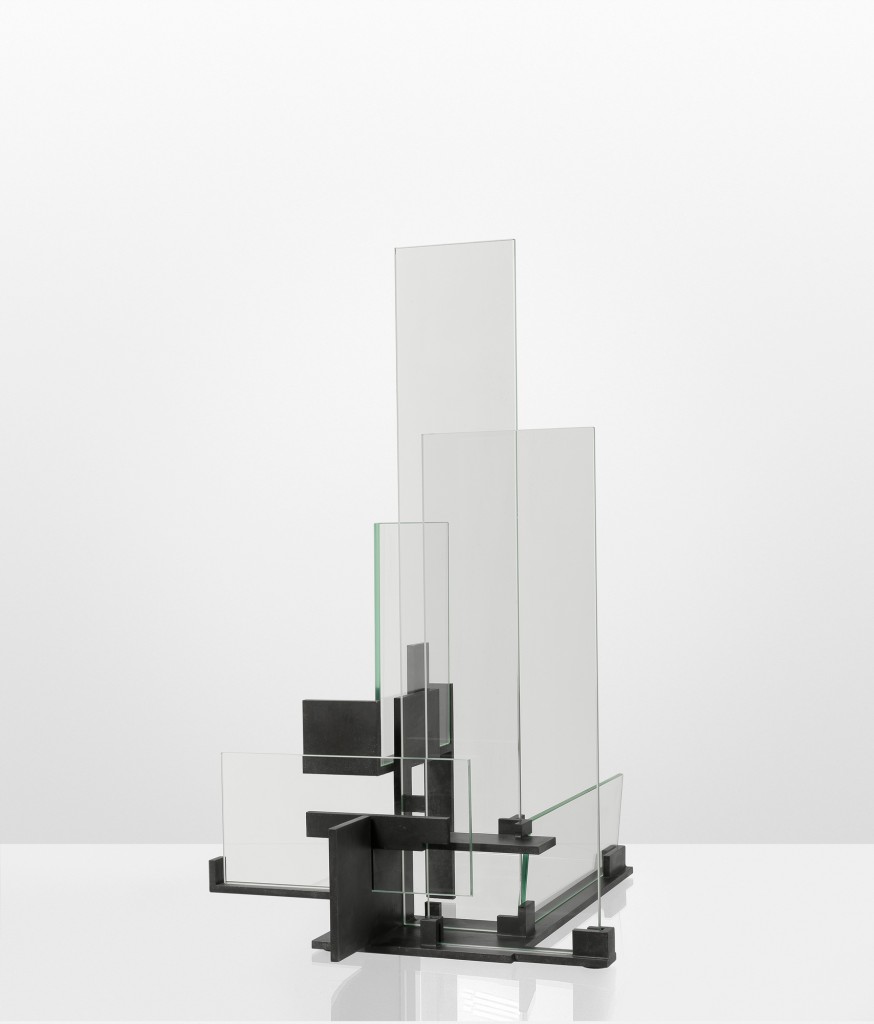
FONTAINE

HOMMAGE À HOMÈRE – 74cm

VILLEMIN – H. 150 cm

TABLE BASSE – CITÉ AVENIR
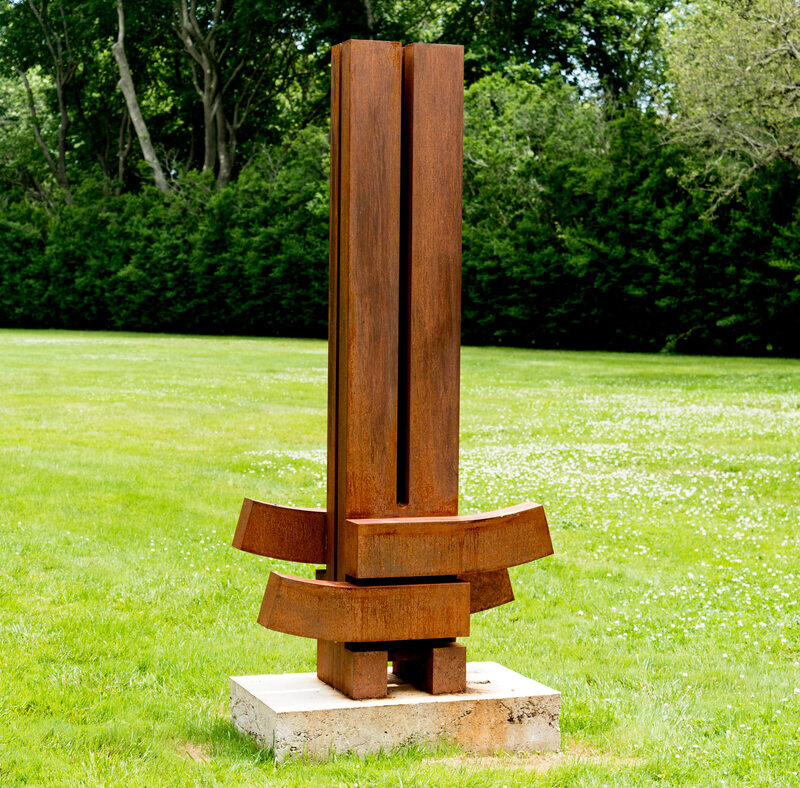
LAO TSEU – 1.5M – ACIER

SAARBRUCKEN – 3M

DIALOGUE DE TOURS H236 CM
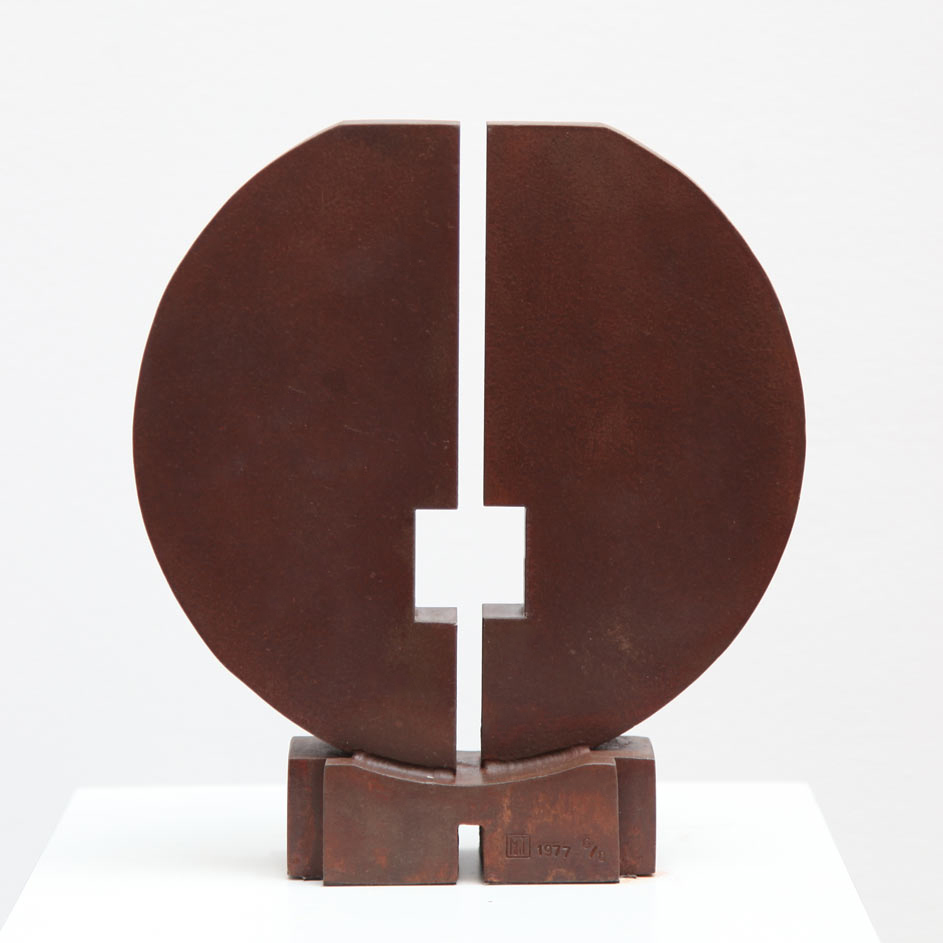
Aube – 50 cm

LIBERTÉ H.3M
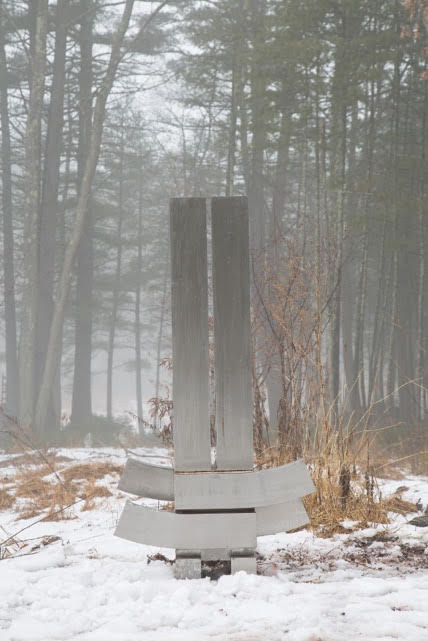
Lao Tseu – H 150cm

Structure Dynamique “Grand Expansion”

Table Basse “Forme Espace”

Structure Développement “Canon effilé”

Cercle cube désintégré 25cm

Saarbrucken “Hommage à l’espace” – 50cm

Liberté – H. 75cm

Dialogue de tours “Tour espace Masse”

Structure Développement “Petit Canon”

Aube -150 cm
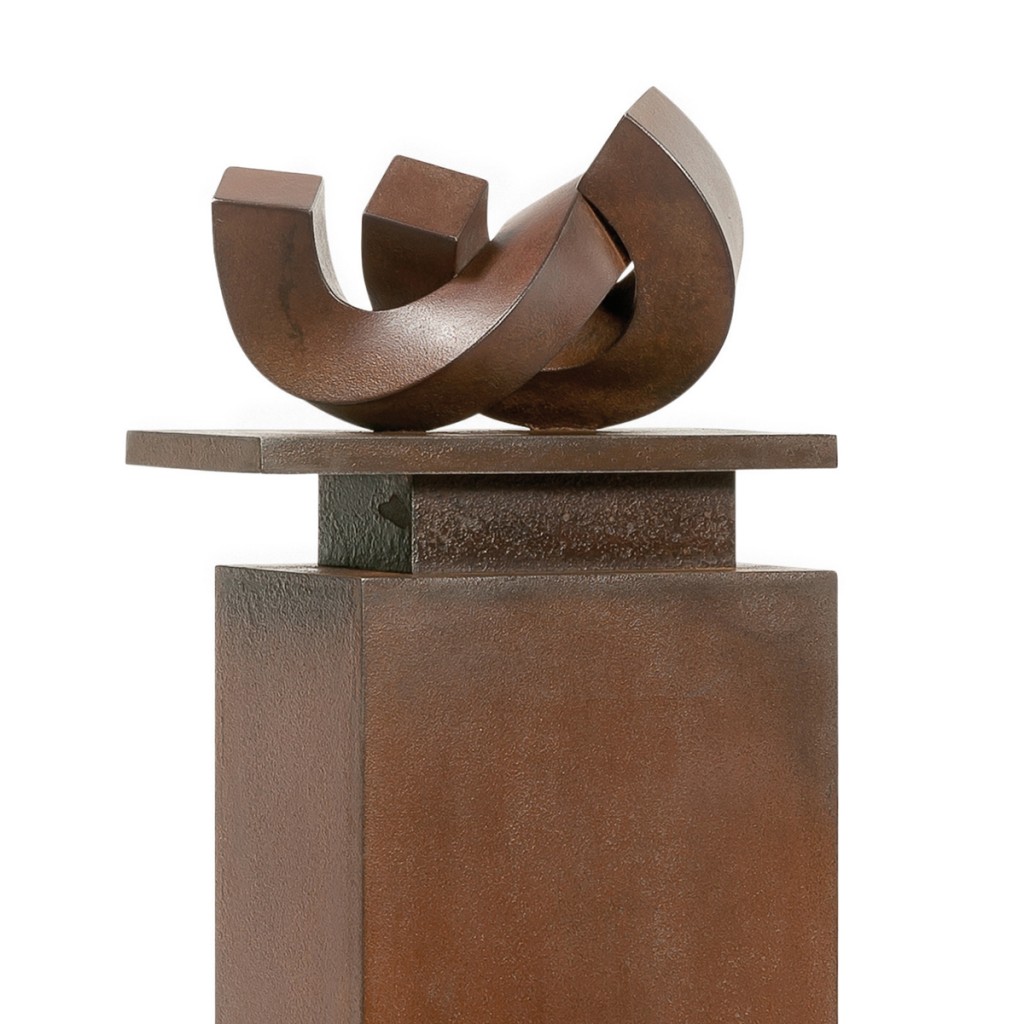
Entrelacement “Amour”

Buffet

Chaise architecturale
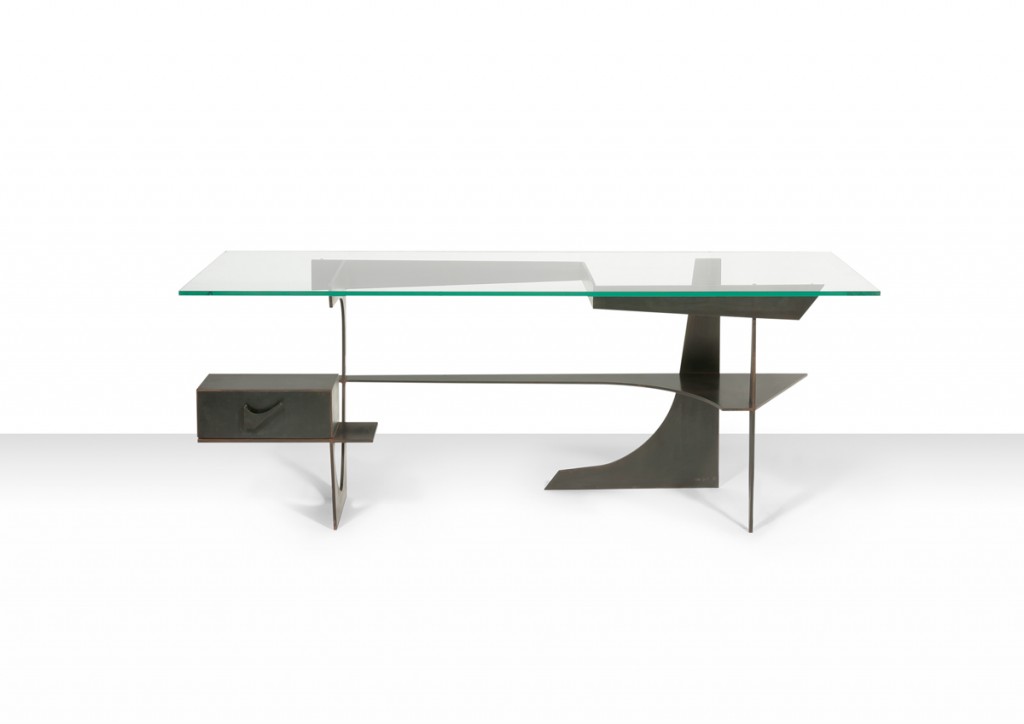
Bureau Architectural
Biography
Francesco Marino Di Teana is a painter, sculptor, architect, poet and philosopher, who marked the sculpture of 1950s-1960s by developing his theories of the tri-unit logic, which integrates the “void” like an active element of the pictorial and architectural composition.
Francesco Marino Di Teana is a painter, sculptor, architect, poet and philosopher, who marked the sculpture of 1950s-1960s by developing his theories of the tri-unit logic, which integrates the “void” like an active element of the pictorial and architectural composition.
Born in 1920, in a poor farmer family at a small village of Teana, perched on the hill of the province of Potenza in the Basilicata region in Italy.
When he was 16 years old, the war broke out and Italy allied with Germany. Francesco was sent to Argentina to find his father who abandoned his family a few years ago to make his fortune. In Buenos Aires, his father received him coldly and accepted him only on condition that he had to work to earn a living. He, therefore, started to work at the construction site as builder at the beginning and then became the foreman. At the same time, he passed the evening classes in mechanics and polytechnic at National School of Salguero where he graduated with a degree in architecture. He then successfully passed the challenging entrance examinations of Ernesto de la Carcova Fine Arts School. However, his father could not stand the idea of stopping works and kicked him out. Even if living on the street, Marino di Teana attended every course and worked to live in the evening. Finally, he graduated from the school with top marks of degree “Premio Mittre”, equivalent to the Prix de Rome. Although he was awarded a professorship and chair at University, he decided to go back to Europe in 1952, thanks to the scholarship offered by French Embassy in Argentina, to follow his own path but not a solid one.
He firstly passed through Santiago de Compostela and then decided to visit Spain, and finally settled in Paris in 1953. Without a penny, Marino Di Teana slept at public gardens, as the one next to the Rodin Museum, and warmed him up at Fine Art School, located on Bonaparte Street ( Rue Bonaparte ). He made ends meet by doing some odd jobs, like renovating apartments, painting the ceiling and making furniture. But without working paper, he couldn’t get properly paid. Thanks to Georges Guillot, a decorator, for whom he made some shop mannequins in a small studio on the Passy Street ( Rue de Passy).
It was in this period when he took the courses of Le Corbusier at Sèvres-Babylone and met the artists and intellectuals of St Germain-des-Près quarter. But nobody in the Fine Arts School was interested in the abstract sculptures that he began to create. With the insistence of Huguette Séjournet, a young painter, he obtained a job as decorator for her house, who then became his wife and introduced him to a prestigious gallery of Denise René and presented his first sculptures.
He showed him his strange small models, gathering in a shoe-box, which attracted instantly Denise René’s eyes. Thereafter, he organized several personal exhibitions for Marino Di Teana and put him alongside those renowned artists, such as Vasarely, Jesús-Rafael Soto, Julio Le Parc, Sonia Delaunay, François Morellet, Carlos Cruz-Díez and Richard Mortensen.
Marino di Teana always went out with many artists like Yaacov Agam, Jean Arp, Jean Tinguely, Jean Dubuffet, César and Luis Tomasello, yet he was fascinated much more by architecture than by the art world.
By conceiving his theory “tri-unit” of “active void” that journalist Harry Belley regards as one of the most important discoveries of sculpture in the twentieth century, he put the space and void, the mass and form as well in the same important place.
He thus developed the sculptures, and conceived his the esthetic structures, which could be transformed as architectural buildings, the “architectural sculptures”.
His keen interest in the relationship between the architecture and the sculpture has taken him to a major international competition, entitled “Sculpture for the Factory” which is launched by enterprise Saint Gobain in 1961. Faced with hundreds of competitors, he won first prize with the sculpture “Conquest of space”, nearly three meters long; the jury consisted of writer Michel Chastel, sculptor Alberto Giacometti, architect Grégoire, painter Poliakoff, professor in Aesthetics Étienne Souriau, painter and art critic Michel Seuphor and sculptor Zadkine.
This pivotal event brought him fame. His work was acknowledged in press. He was hence supported by some important artists and critics and received the enterprise sponsorship in the following year for creating a set of 8 monumental glass fountains at Grand Palais in Paris “Clarit Saint Gobain” ( 7 meters high and more than 16 meters long) for the exhibition “Contemporary Art”, and then a wall frieze, two-meter high and eight-meter long, for the Saint Gobain Chantereine’s factory.
In 1963, he left central Paris and moved to the suburbs of Périgny-sur-Yerres, in a large workshop with forgery where he lived and worked until the end of his life.
He created his architectural sculptures, regularly named in honor of great architects, such as Imhotep, Le corbusier, Pier Luigi Nervi and the others. According to numerous models that he had already made, Marino Di Teana thereafter carried out about fifty public monumental sculptures in France and in Europe ( Germany, Italy …) Over 40 sculptures were installed between the 1960s and 1970s, and the most impressive one remained today is the “Liberté (Liberty)” at Fontenay-sous-Bois of Val de Marne, which is the largest corten steel sculpture in Europe, 21 meters high and 100 tons weight. Self-supporting, this sculpture was constructed in a manner allowing it to resist the winds of up to 250 km/h.
In the 1970s, he met André Ramel, an industrialist who was famous for its know-how of unique pieces (such as luxury cars and artworks) , and opened his door to him. Marino Di Teana therefore discovered the technique of using stainless steel and hence created a number of pieces of furniture according to his lead and zinc models, such as the desks for the entrance of BFCE and for private collectors, or the sets of furniture designed in the 1950s. These works, unknown to the public, are always marked by the architectural composition, which emphasized the constant researches of artist for establishing the visual and formal conceptions, in all the creation areas: sculpture, painting, as well design.
The mid-1970s was characterized by the important exhibitions. In 1974, his first exhibition was held at Braux Sainte-Cohière Commune in the Marne department in northeastern France, then artist was put in the spotlight between 1975 and 1976 for a traveling exhibition at Saint Etienne, Reims, Montbéliard, and a retrospective at Modern Art Museum in Paris.
His international reputation progressively grew. And his Italian origins were also claimed while the twinning arrangement between Périgny et Teana, meanwhile, the installation of many monumental sculptures in his hometown. Argentina, his adoptive country where he gained his artistic training, also requested him to present it during the 40th Venice Biennale in 1982. He was given a diploma of honor of Plastic Artists. In 1987, author Tomas Alva Negri devoted him a weighty monograph; in the same year, artist traveled to Germany for his new retrospective at Saarland Museum in Saarbrücken.
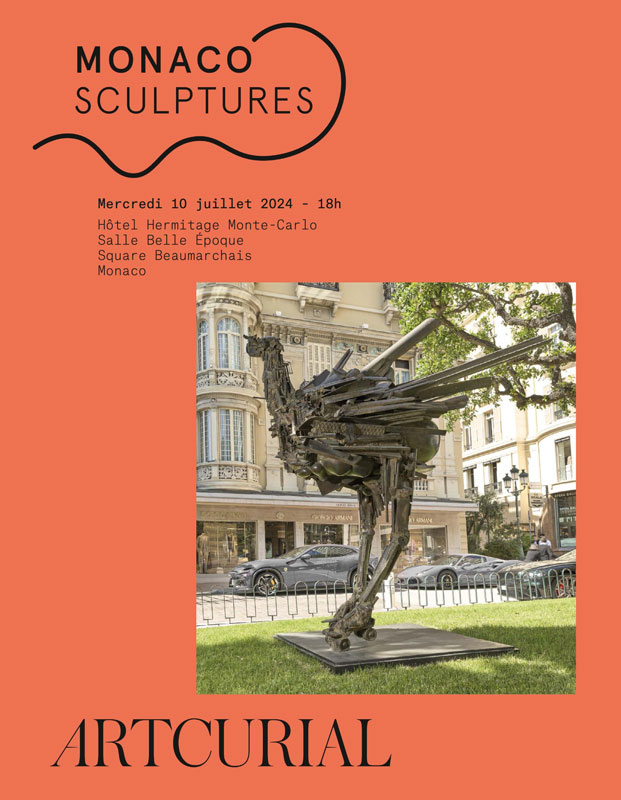
In France, Galerie Patrice Carlhian (Patrice Carlhian Gallery) presented his works at its space, and Artcurial Auction House (a major auction house dedicated to modern and contemporary art today) organized several exhibitions for him as well. He participated in a lot of television projects with Art France and Antenne 2, even Patrice Carlhian made a short documentary footage, especially for his work at Fontenay-sous-bois, “ Le Chant du Corten( The Song of Corten)”.
In 1997, he was invited to represent France at the International Symposium of Arts and Sciences of Seoul in South Korea, and then exhibited in Prague in 1999. In 2008, his new monumental sculptures were installed at Teana. The following year, in 2009, he became guest of honor at the International Sculpture Triennial of Poznań in Poland.
Died on January 1st, 2012, Francesco Marino Di Teana left behind meaningful artistic heritage: numerous sculptures, which are preserved in his workshop or dispersed at collectors’ homes; as well models, plans, writing documents, reliefs, bronzes, jewelry, medals, drawings, paintings, furniture and architectural projects. Marino Di Teana Association, represented by artist’s son Nicolas Marino Di Teana who has worked by his father’s side for more than ten years, defends promotion and safeguards the works of Marino Di Teana.
Today, the Association still continues distributing artist’s rich but still little-known creation and archives all his works from the smallest models to the monumental pieces. In 2019, the first Catalogue Raisonné of artist is published by Éditions Loft, in partnership with Nicolas Marino, assembles all sculptural works of artist between 1948 and 2012.
Exhibitions


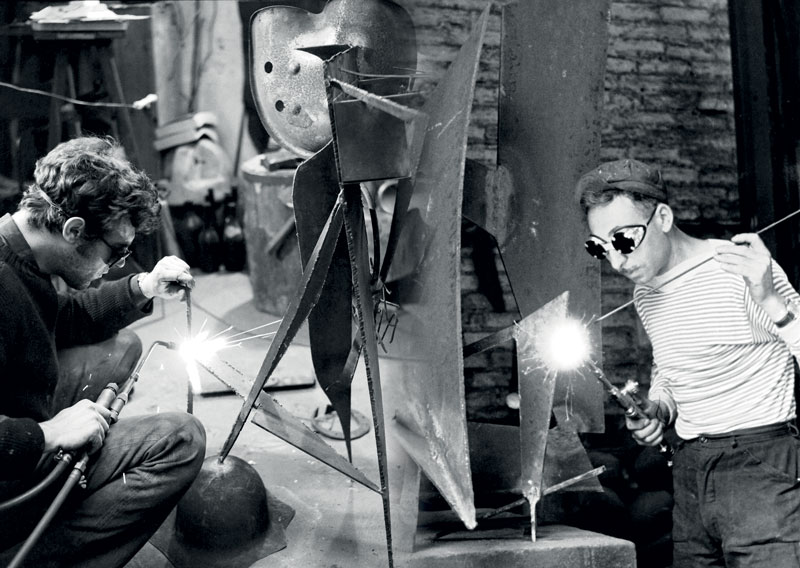
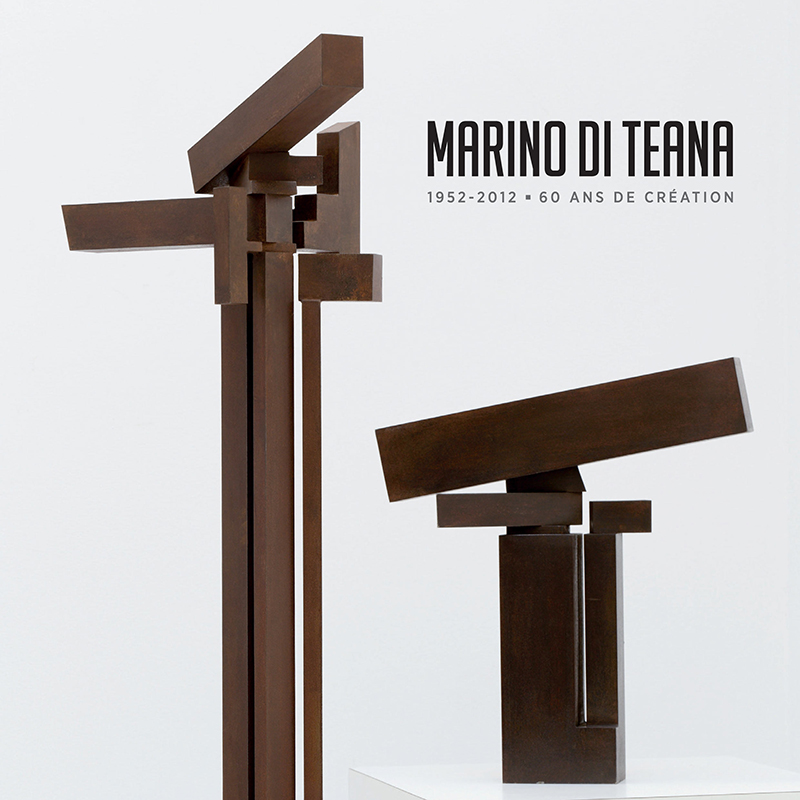
The Transfiguration Of Metal
Philippe Hiquily, Francesco Marino Di Teana
06/04/2023 - 28/05/2023
Space N°4, Space 3 bis



Videos

Vidéo
Sculpture Garden • Dawn

Vidéo
Jardin de sculptures • Dialogue de Tours H.4M

Vidéo
Monumental • Jardin de sculptures
Vidéo
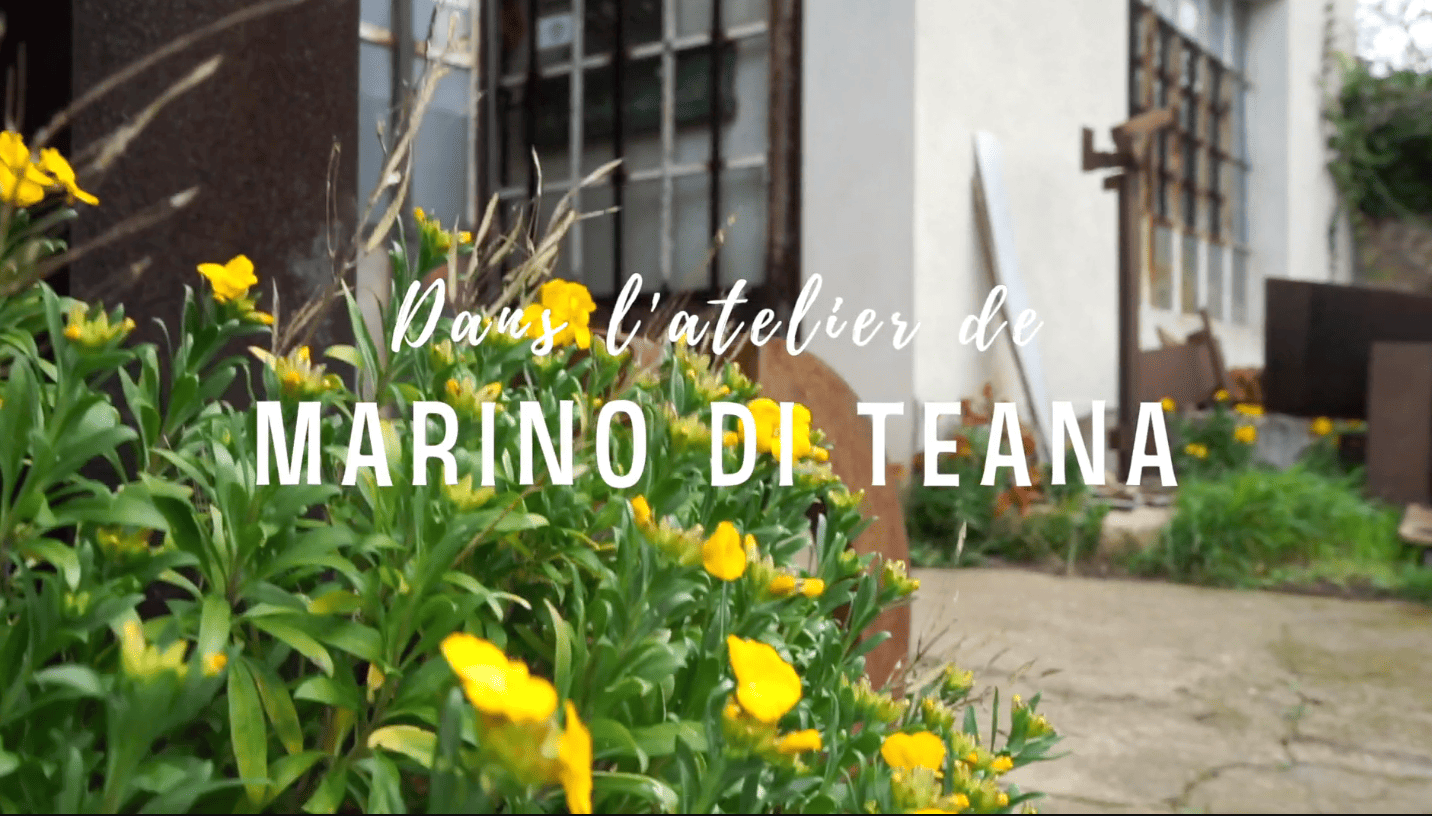
Atelier-musée de Marino Di Teana
Career
Solo Exhibitions
2005
Grand Théâtre d’Angers, France
Ville de Völklingen, Sarre, Germany
2004
Collégiale Saint-Pierre-le-Puellier, Orléans, France
Solo Exhibitions
2005
Grand Théâtre d’Angers, France
Ville de Völklingen, Sarre, Germany
2004
Collégiale Saint-Pierre-le-Puellier, Orléans, France
1995
Ville de Pornichet, France
1994
Hommage à Frédéric II Hohenstaufen, Exhibition and Lecture, University of Bari, Italy
1993
Galerie Dutko, Paris, France
1992
FIAC, Galerie Carlhian, Grand Palais, Paris, France
L’Imaginaire de Marino di Teana, City of Brive, France
Di Teana, the Painter and the Sculptor, Galerie Carlhian, Paris, France
1991
Sculptures de 1953 à 1964, Galerie Artcurial, Paris, France
Di Teana, the Painter, Galerie Carlhian, Paris, France
1990
Musée d’Art et d’Histoire, Galerie des Arts, Neuchâtel, Switzerland
1989
Galerie Artcurial, Paris, France
Works from 1952 to PresenT, Galerie Carlhian, Paris, France
Università della Basilicata, Potenza, Italy
1988
Galerie Carlhian, Paris, France
Retrospective: Sculptures 1960–1987, Artcurial, Paris, France
Biennale of Contemporary Italian Sculpture, Matera, Italy
1987
National Saarland Museum, Saarbrücken, Federal Republic of Germany
Paris Bagatelle, France
1982
Venice Biennale, Italy (representing Argentina)
Galerie Giebel, Sarrelouis, Federal Republic of Germany
1981
Musée des Beaux-Arts de la Ville de Pau, France
1980
Maison de la Culture, Dreux, France
1978
Galerie Art Actuel, Nancy, France
1976
Musée d’Art Moderne de la Ville de Paris, France
Maison des Arts et des Loisirs, Montbéliard, France
1975
Galerie Attali, Paris, France
Maison de la Culture de Saint-Étienne, France
Musée des Beaux-Arts Saint-Denis de Reims, Champagne, France
1974
Château de Braux-Sainte-Cohière, Champagne, France
1972
Centre Culturel du Val-d’Yerres, France
1969
Maison de la Culture d’Orléans, France
1968
Espace Pierre Cardin, Jewelry Exhibition for Spring Cardin Collection, Paris, France
1967
Musée des Beaux-Arts, La-Chaux-de-Fonds, Switzerland
Sculptures–Structures, Galerie Denise René, Paris, France
1960
Galerie Denise René, Paris, France
Exhibitions and Notable Events Since MDT Association Creation
2026
Narratives, Galerie Loft, Paris, France
2025
Traits d’Esprit, Galerie Loft, Paris, France
Monumental, Inauguration of Sculpture Garden, Fourges, Giverny, France
Summer Selection — À Première Vue, Galerie Loft, Paris, France
2023
Hiquily & Marino Di Teana, The Transfiguration of Metal, Galerie Loft, Paris, France
2022
Monumental, Galerie Loft, Paris, France
2021
Art Paris 2021, The 70s Show, Galerie Loft, Paris, France
2020
Musée des Offices, Florence, Italy
Art Paris 2020 Live, Monumental Projects, Galerie Loft, Paris, France
2019
Art Paris 2019, Galerie Loft, Paris, France
Francesco Marino Di Teana: 1+1=3, Galerie Loft, Paris, France
Marino Di Teana, One Man Show, Galerie Loft, Paris, France
Francesco Marino Di Teana. Philippe Hiquily – Catalogues Raisonnés, Sculptures Déraisonnables, Galerie Loft, Paris, France
2017
Marino di Teana, forgeron de l’espace, Citadelle de Sisteron, France
2016
Marino Di Teana – Retrospective, Galerie Loft, Paris, France
2015
Retrospective, Galerie Loft, Paris, France
2010
Musée des Beaux-Arts de Cambrai, France
2009
Krings-Ernst Gallery, Cologne, Germany
Creation of four monumental sculptures for the city of Teana, Italy
Château de Fontainebleau, France
Poznan International Sculpture Triennale, Poland
2008
Entry into FRAC Centre collections, Orléans, France
Entry into Satoru Sato Museum collections, Tomé, Japan
Château de Vaumarcus, Neuchâtel, Switzerland
Galerie Jonas, Neuchâtel, Switzerland
2007
Art Paris, Galerie Michèle Broutta, France
Yerres Biennale, France
Art-Elysées & FIAC, Galerie Michèle Broutta, Paris, France
Film for Italian television news RAI
2006–2007
Creation of stained glass, rose window, and bronze doors for the church of the medieval town of Saint-Flour, Cantal, France
2006
Triptyque – Monumental Sculptures, Angers, France
News

The exhibition "El Lugar desde donne hay que ver (the place from which to see)" brings together the works of Eduardo Chillida and Marino di Teana, two major figures of 20th-century abstract sculpture.

On December 11, 2025, the National Museum of Fine Arts in Buenos Aires will inaugurate the installation of two monumental sculptures by Marino di Teana in its gardens: Dawn (1977-2018), 5 meters tall, and Homage to Lao Tzu (1972-2025), 6 meters tall. These works will remain on display in the gardens adjacent to the museum throughout 2026.

Discover the fascinating world of Marino Di Teana. Through sculptures, paintings, drawings, and geometry, follow in the footsteps of this philosopher of space. A unique opportunity to (re)discover the work of the famous artist.


Publications

120.00€
FRANCESCO MARINO DI TEANA CATALOGUE RAISONNÉ, 2018
Francesco Marino Di Teana
Shop
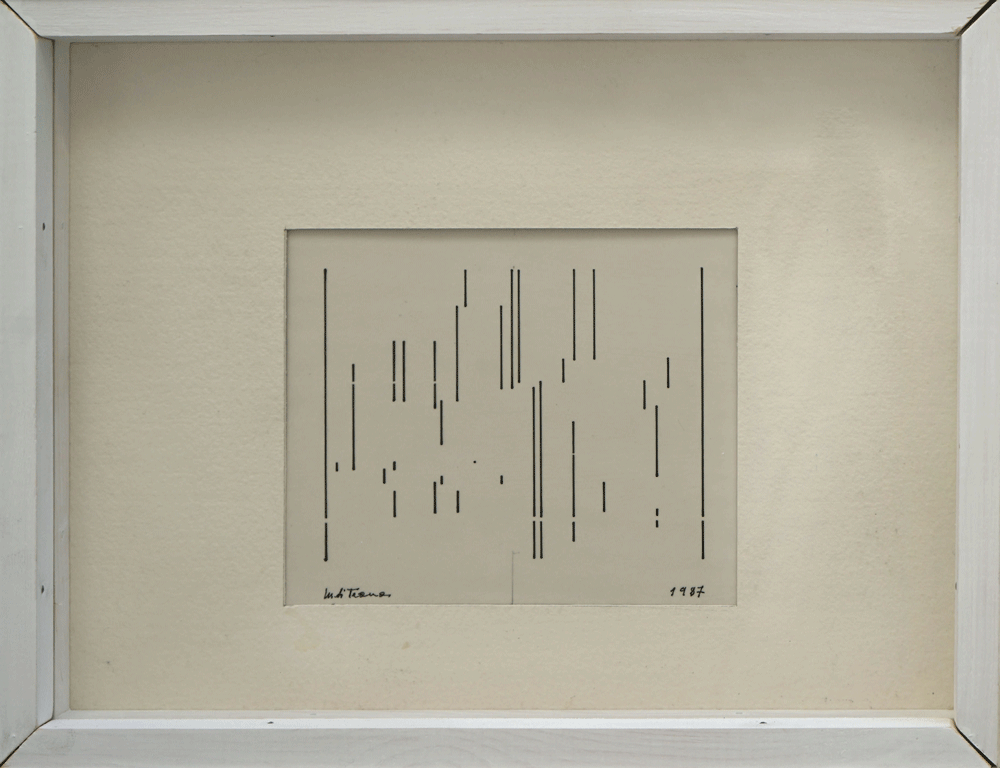
2 000.00€
MUSICAL COMPOSITION DYPTIC 1/2
Francesco Marino Di Teana

600.00€
Liberté H.20cm Brossée
Francesco Marino Di Teana

600.00€
Liberté H.20cm Chromée
Francesco Marino Di Teana

39.00€
Monographie Francesco Marino Di Teana
Francesco Marino Di Teana

500.00€
AUBE Limited copper version
Francesco Marino Di Teana
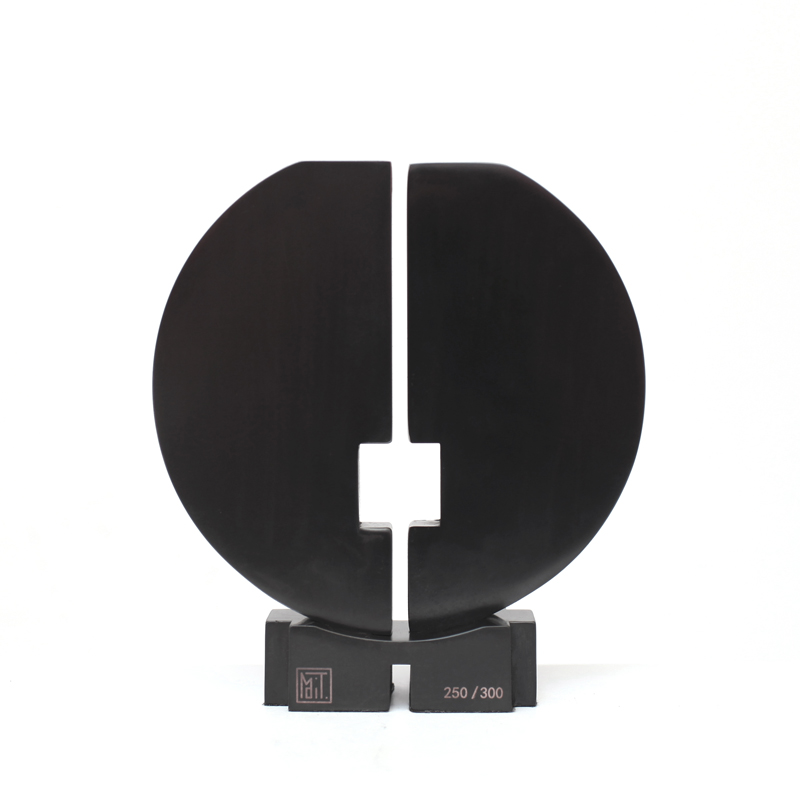
380.00€
Aube Patine noire
Francesco Marino Di Teana
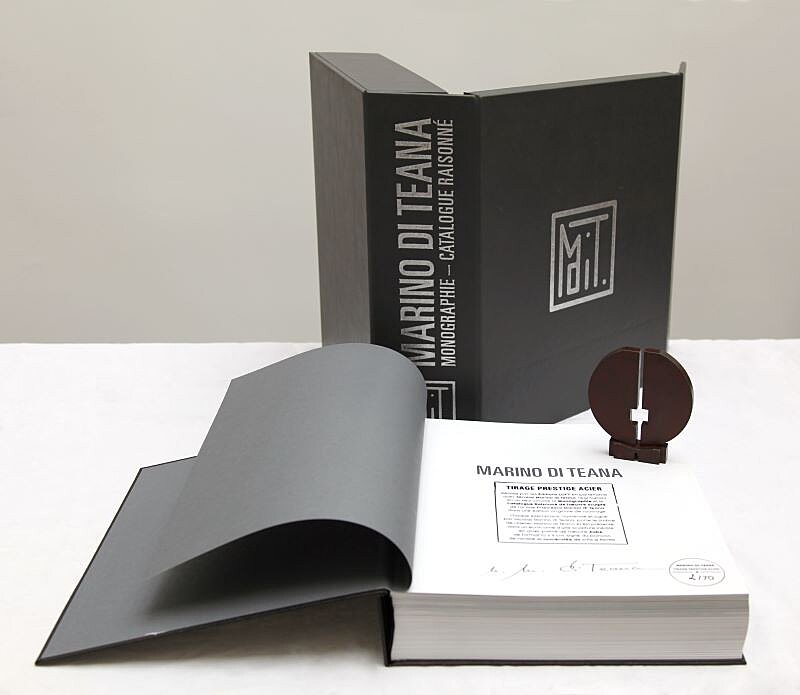
2 500.00€
Catalogue raisonné Marino Di Teana Prestige Version “Patinated Steel”
Francesco Marino Di Teana

5 000.00€
Catalogue raisonné Marino Di Teana Prestige version “Silver”
Francesco Marino Di Teana

400.00€
Tribute Lao Tseu H.16cm Chrome-plated
Francesco Marino Di Teana

400.00€