HOMMAGE À FRIEDRICH NIETZSCHE
Francesco Marino Di Teana
Claude Gilli, Bernard Quentin
16/09/2021 - 02/11/2021
Space N°4, Space 3 bis
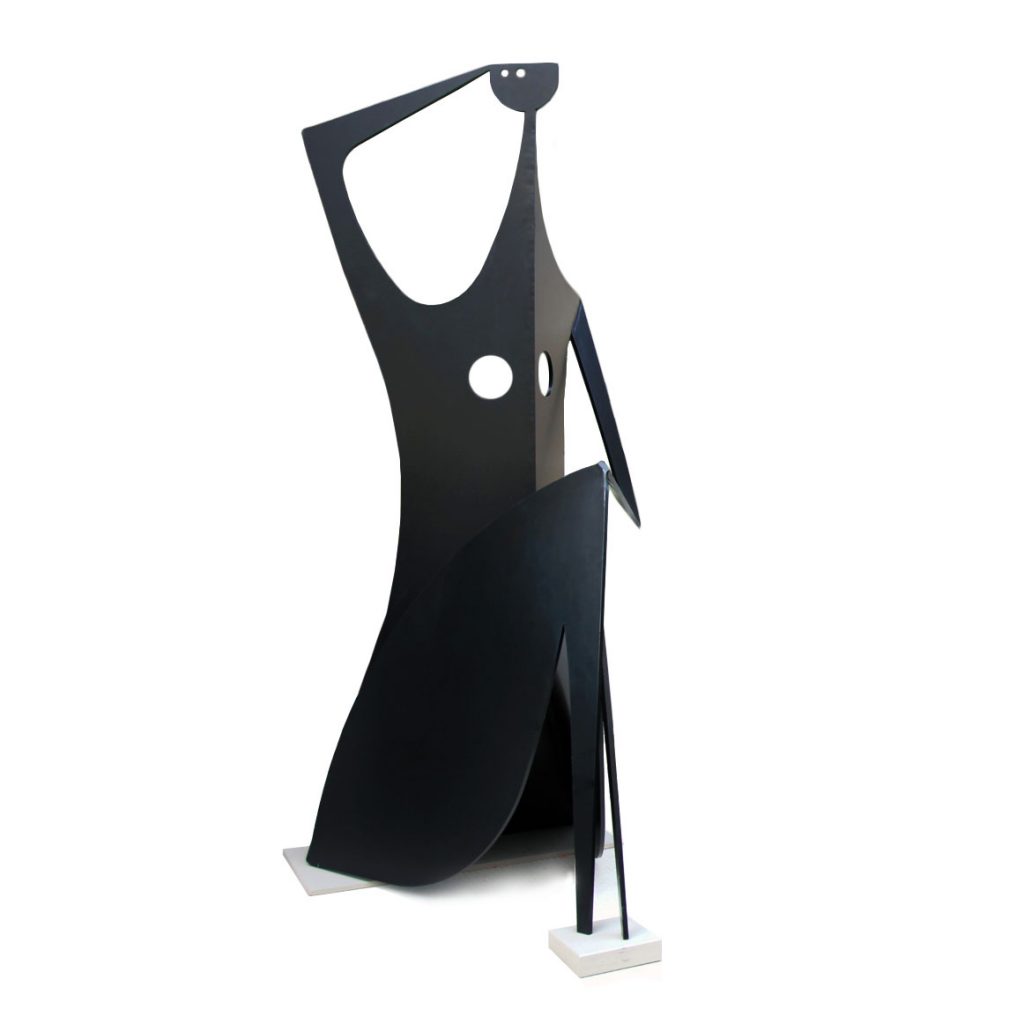
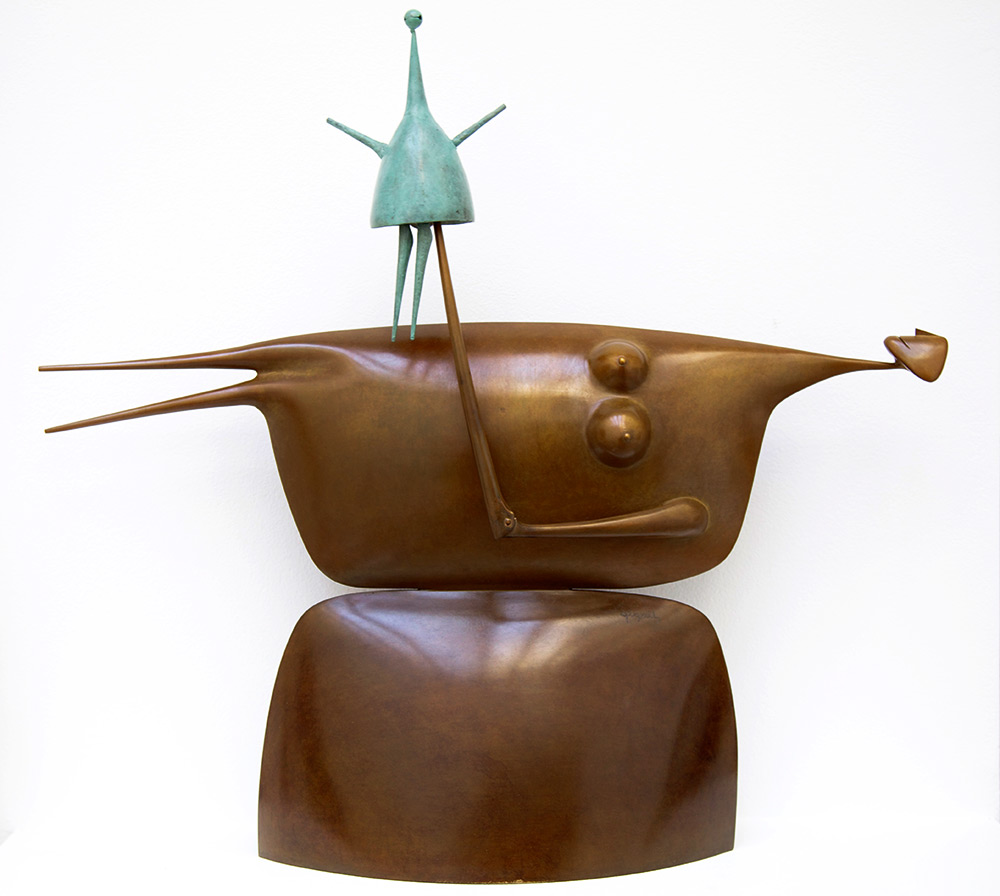
The Loft Gallery is pleased to present a collective exhibition "THE 70'S SHOW" with Philippe Hiquily, Marino Di Teana, Claude Gilli and Bernard Quentin.
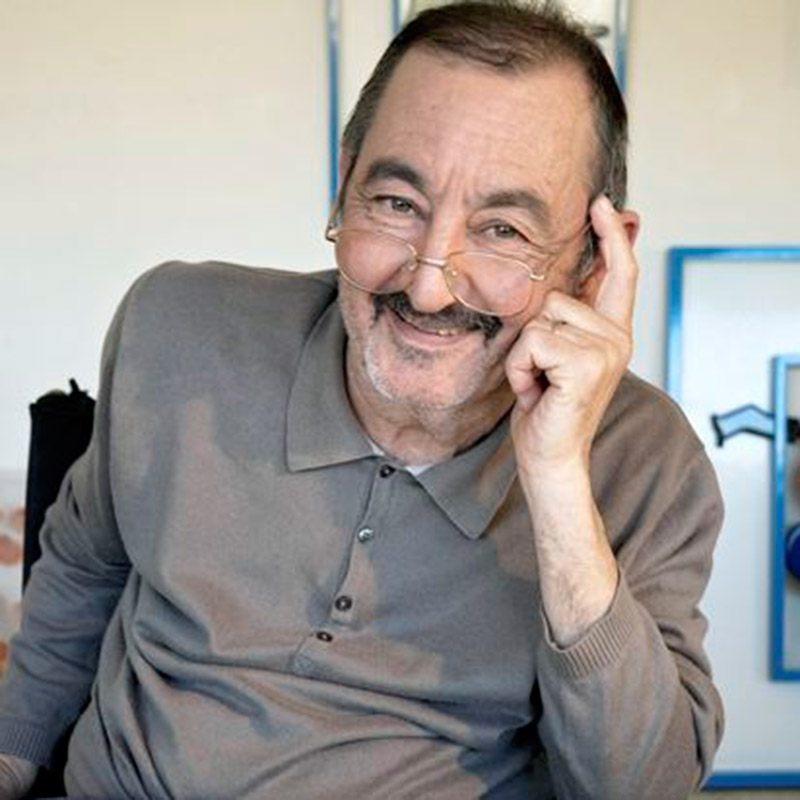
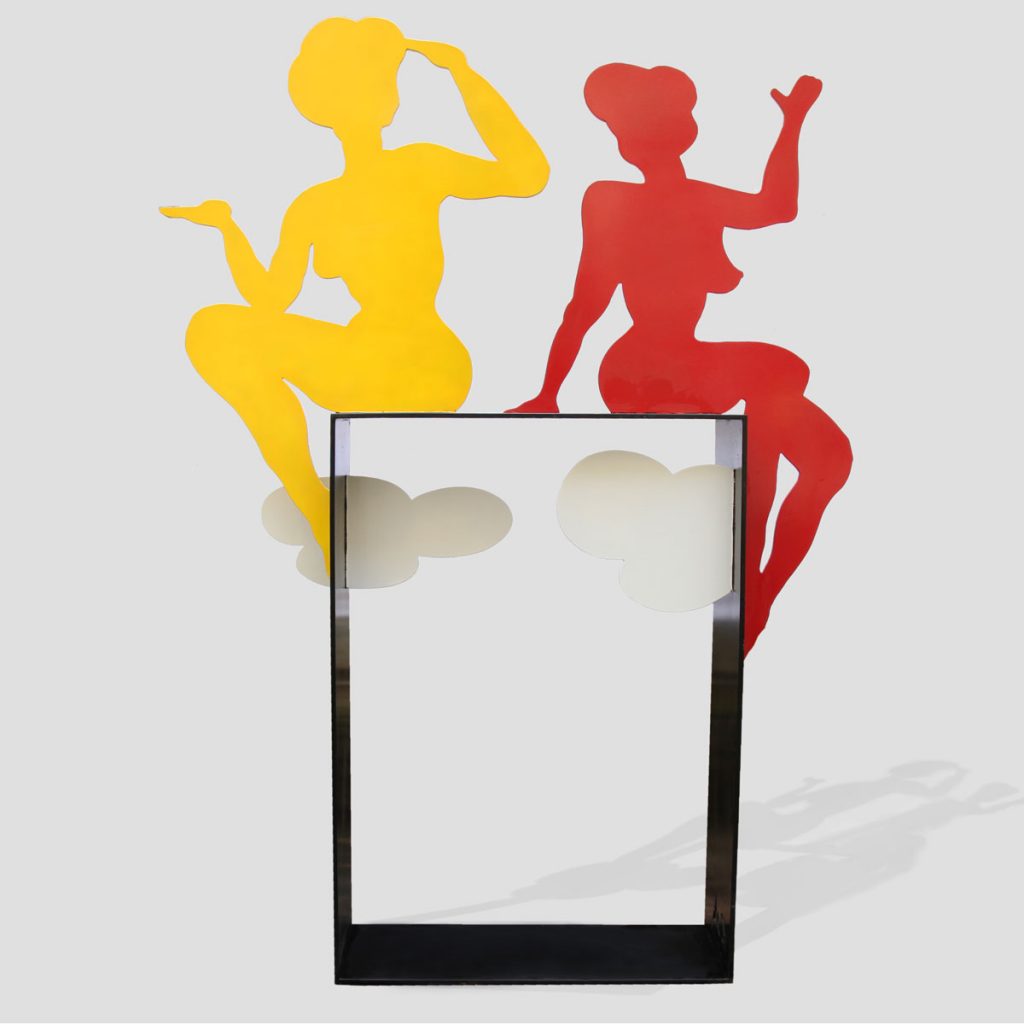
Claude Gilli is a major figure of the “École de Nice” (School of Nice) that had a considerable impact on French pop art. Born in Nice in 1938, he enters the School of applied arts of his hometown in 1955. In 1962, on New Year’s Eve, he burns most of his early works. Close to the artists Albert Chubac, Martial Raysse, Ben, but also Arman, César, Farhi and Venet it’s his encounter with Robert Malaval that will lead to different works that they made in common around “aliment blanc”. Having obtained the Lefranc prize in 1966, he is shown at the exhibition “12 super realists” at the Del Leone gallery, Venice, where he discovers the works of American “pop” artists, Lichtenstein, Warhol, Wesselmann. In 1968 he starts working with Plexiglas and then continues with a series of paintings “aux escargots” (with snails). In the 1970’s he moves to Paris and is also shown in numerous international exhibitions, one of them was dedicated to the school of Nice a the Pompidou Center, Paris. The degenerative disorder he was subject to finally caught up with him and obliges him to be in a wheelchair. He starts working tirelessly and develops works in cut iron, notably for outdoor pieces and monumental sculptures.
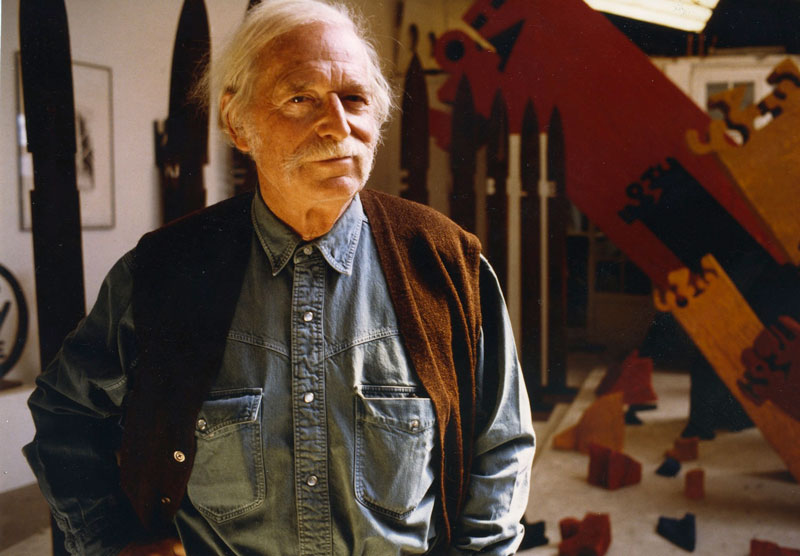
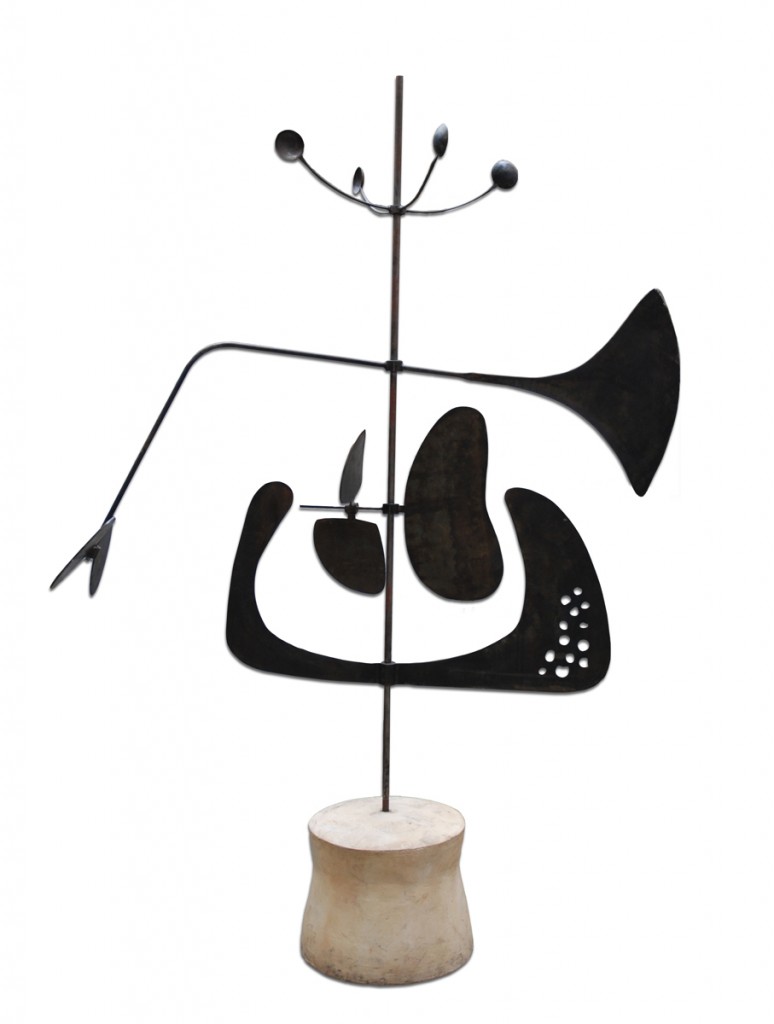
Art is a language, a unique form of expression that allows artists to experiment as well as for the public to have intense and new feelings. Amongst these artists that have in the 20th century known how to question the world, there is a man who, in his 96th year of age, has preserved his desire to explore and continues to work on these ways to communicate. BERNARD QUENTIN was born in 1923 in Flamicourt (Picardie, France). After the Second World War he starts to produce works that have writing as basis, assuming that the ideal form to unite people is language. During his relentless quest to conceive universal signs, he comes to make monumental pieces, but also starts using original materials or tries to establish a real “semiology” of art. Passed away in June 2020, he will have never stopped creating throughout his life, and his participation in Art for All proves once again his dedication to designing works for everyone.